Piroctone olamine: what it is and why it is used in scalp care
Piroctone Olamine appears on the label of many anti-dandruff shampoos and scalp lotions. A plain guide to what the ingredient is, what it does in a formula and what not to expect of it.
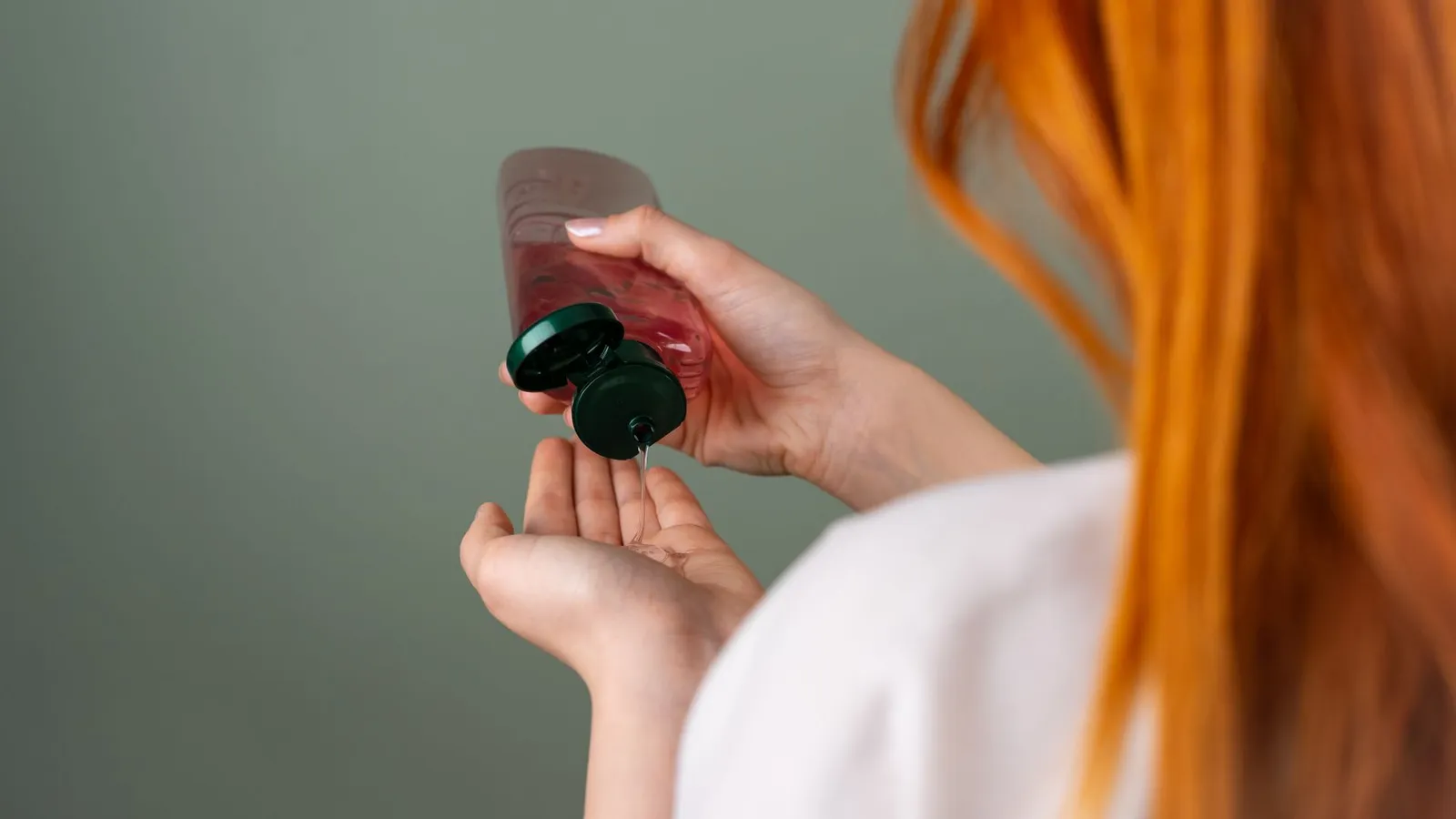
You turn your anti-dandruff shampoo round to read the ingredients and there, among the long Latin-looking names, is Piroctone Olamine. It sounds rather like something from a pharmacy, so the question comes naturally: what is piroctone olamine, and why is it in a product for your scalp?
What is piroctone olamine?
Piroctone olamine is a cosmetic ingredient widely used in scalp care, mainly in anti-dandruff products. Chemically it is a salt: a substance called piroctone combined with ethanolamine, which explains the second half of the name. It is synthetic, made in a laboratory rather than extracted from plants. On the pack it appears under its international INCI name, Piroctone Olamine.
One thing should be clear from the start: this is a cosmetic ingredient, not a medicine. A cosmetic product cares for the scalp and helps reduce the visible signs of dandruff; treating a disease is a matter for a doctor, as is prescribing medicated products.
Dandruff and Malassezia: what the ingredient is used for
The ingredient’s role is easier to understand once you know where dandruff comes from. Yeasts of the genus Malassezia live on everyone’s scalp. They are a normal part of the skin’s microflora, not an infection you can catch from someone else, and they feed on sebum, the oil your skin produces.
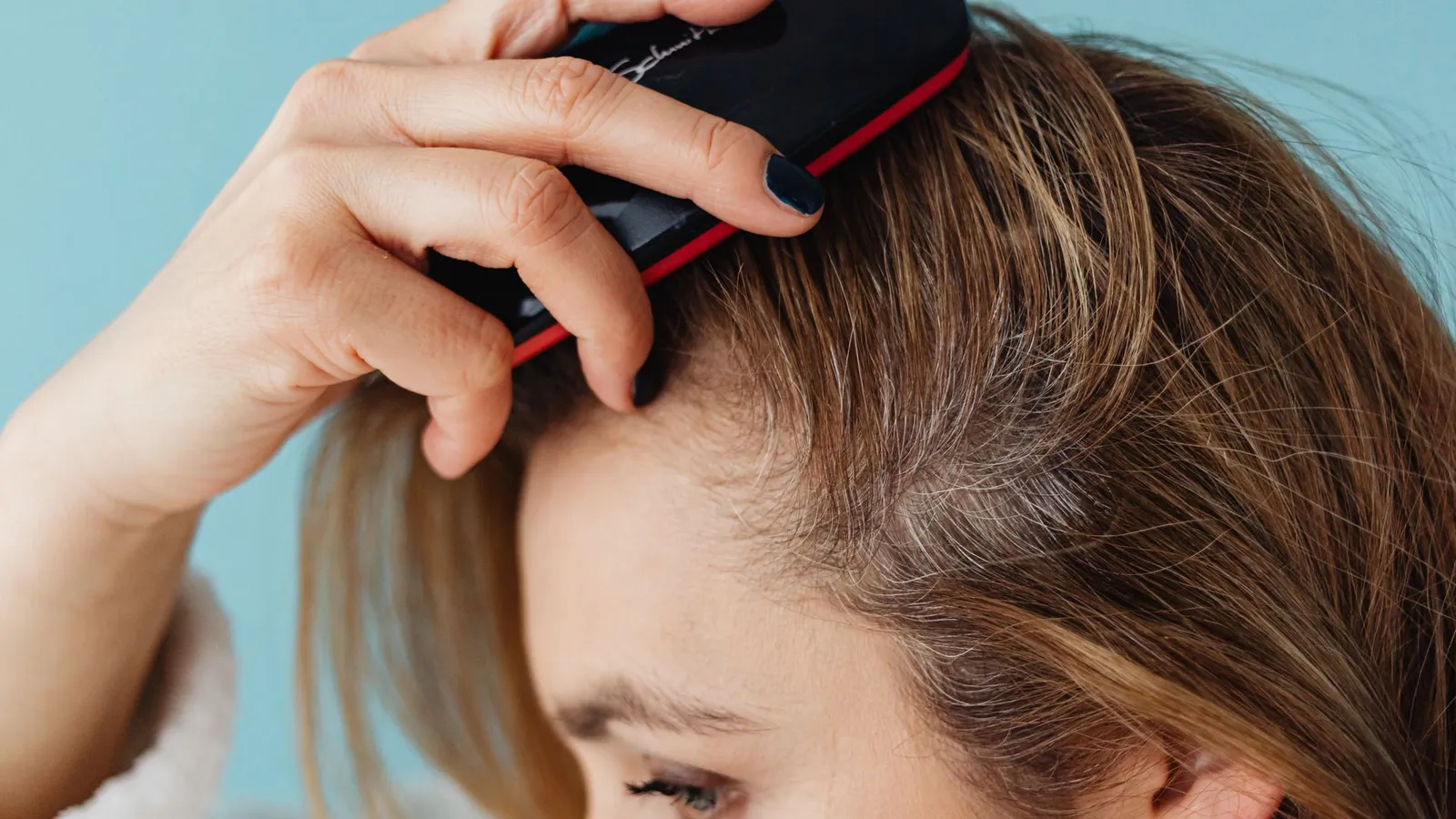
In some people the skin reacts to substances released as the sebum is broken down. It becomes irritated, and the cells of its top layer renew themselves faster than usual and are shed in visible clumps. The result is flakes in the hair and on the shoulders, often with itching as well.
It is with these yeasts in mind that piroctone olamine is studied and used: its job in a formula is to keep their excess activity on the surface of the scalp in check. That is why it is added to products designed for dandruff associated with Malassezia. It does not “sterilise” the skin, though. The yeasts remain its normal residents, and the aim is balance.
Shampoo and leave-in lotion: why the ingredient is in both
You will find piroctone olamine in two kinds of product, and the main difference between them is how long they stay in contact with the skin.
- A shampoo is rinsed off. It is the cleansing step during washing: the lather carries away sebum, flakes and dirt, and the active ingredients are in contact with the skin only briefly.
- A leave-in lotion is a separate step. It is applied to the scalp and not rinsed out, so it stays on the skin and continues the care between washes.
One does not replace the other; they complement each other. The shampoo cleanses and prepares the scalp, and the lotion continues the care long after the lather has been rinsed away. How to use a particular product is always explained in the directions on its pack.
What sits alongside it: salicylic acid and botanical extracts
Piroctone olamine is almost never the only active in a formula. It usually sits alongside ingredients that have other jobs. This is not a contest over which is “stronger” but a division of labour.
- Salicylic acid is a keratolytic. It loosens the bonds between dead skin cells, so flakes come away and rinse out more easily. It does not act on the yeasts: its business is the flakes that have already formed.
- Botanical extracts such as thyme, burdock, sage, nettle and lavender are traditional scalp-care ingredients. They are included to support a feeling of freshness and comfort on the skin.
Not sure what your own routine should focus on – sebum, flakes or a gentler approach to a sensitive scalp? Take the free scalp test and it will match you with a personal care protocol.
What one ingredient cannot do on its own
A name on the ingredient list is information, not a promise of a result. Two shampoos that both contain piroctone olamine can behave quite differently, because the result depends on the formula as a whole: the cleansing base, the combination of actives and how the product behaves on the skin.
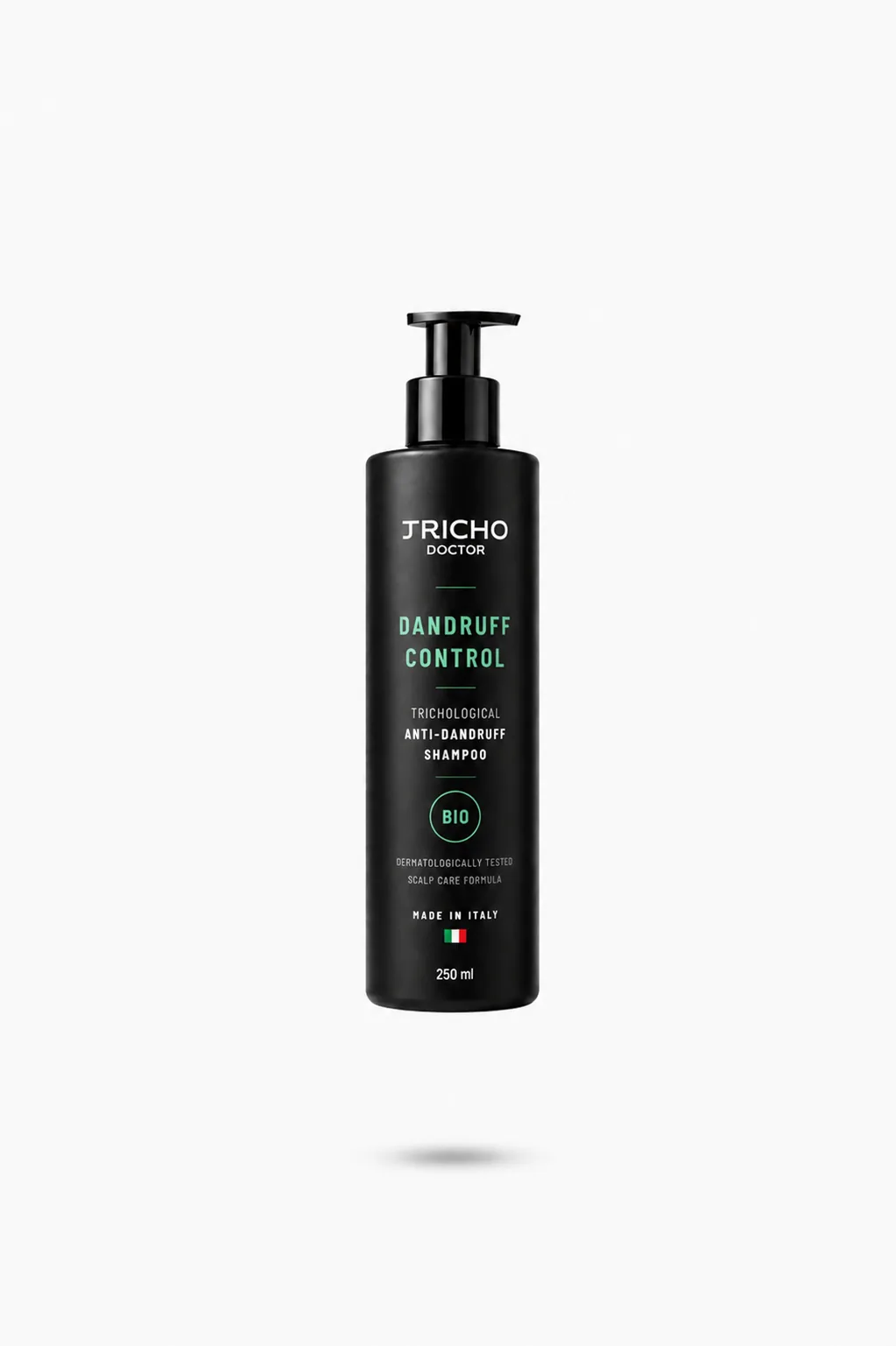
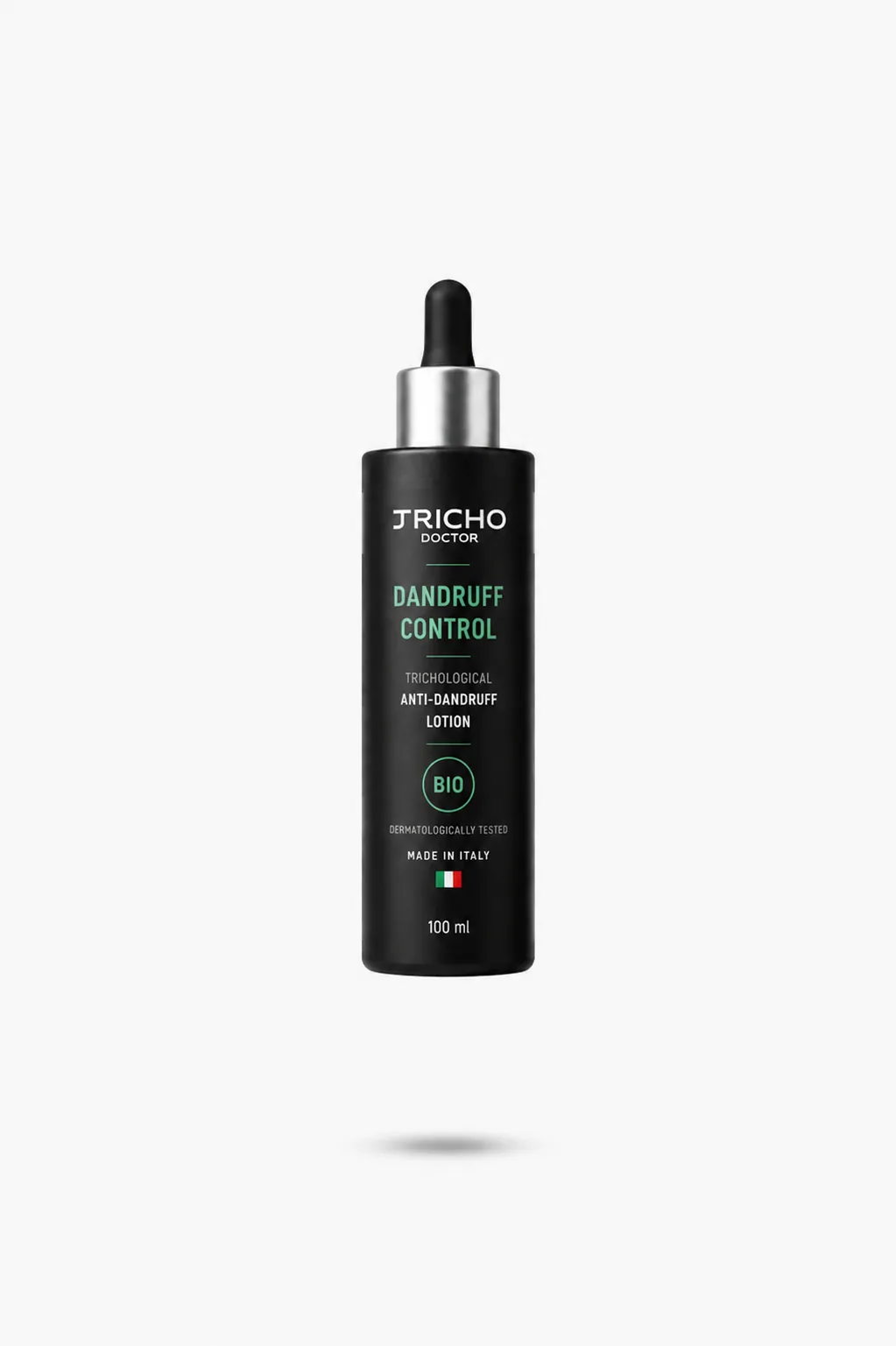
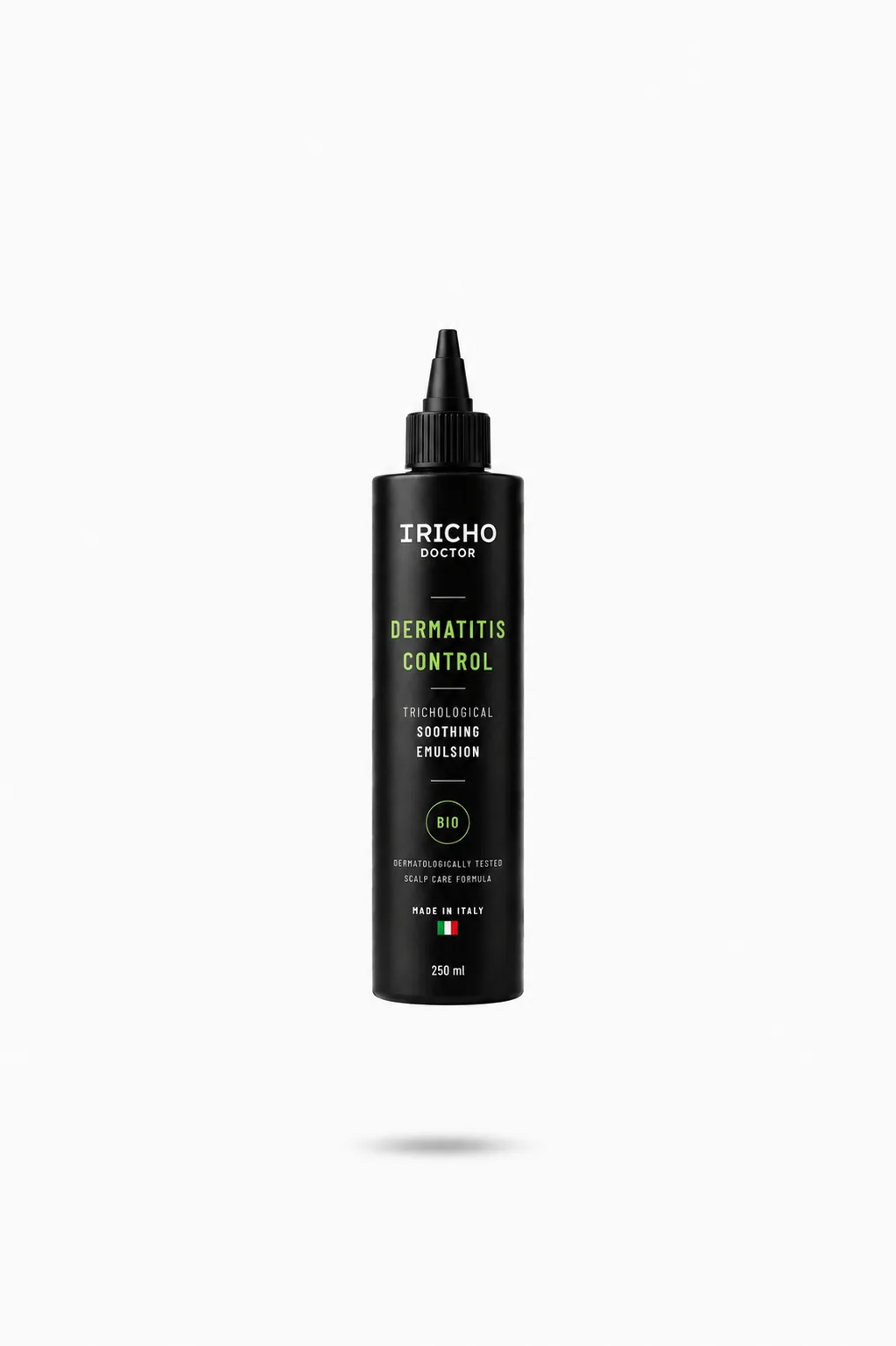
In the TRICHO DOCTOR range, piroctone olamine is one of the actives in several products, each time in different company. In Dandruff Control Shampoo it is joined by undecylenic acid, thyme and burdock; in the leave-in Dandruff Control Lotion it sits next to salicylic acid; and in Dermatitis Control Emulsion it is accompanied by lavender, linseed and lactic acid.
The other thing that matters is regularity. Dandruff tends to come back, and scalp care is a habit, not a one-off. No cosmetic product gets rid of dandruff once and for all; what it does is help reduce visible flaking and keep the scalp comfortable.
How to read the label and when to see a doctor
A few simple pointers for reading an ingredient list:
- Look for the exact name Piroctone Olamine. The INCI list is written in the Latin alphabet and is the same in every country.
- Ingredients are listed in descending order of quantity. Actives are used in small amounts, so they usually sit in the middle or towards the end of the list, which is perfectly normal.
A label cannot give you a diagnosis, though. If the flaking has come on suddenly, comes with marked redness, pain, or weeping or bleeding patches, spreads beyond the hairline, persists despite care, or you are noticeably losing hair at the same time, see a dermatologist or doctor. Only a doctor can tell seborrheic dermatitis, psoriasis and other scalp conditions apart.
For everyday care, the free scalp test can help. At the end you receive a personal protocol at one of three levels: Base, Advanced or Intensive. Depending on what your scalp needs, it may include a shampoo alone or a shampoo together with a leave-in lotion.
Frequently asked questions
Is piroctone olamine a medicine?
No. It is a cosmetic ingredient used in shampoos and lotions for a dandruff-prone scalp. Cosmetics help reduce visible flaking and care for the skin, but they do not treat medical conditions. Medicated products are prescribed by a doctor.
What is the difference between a shampoo and a lotion with piroctone olamine?
The shampoo is the rinse-off cleansing step: it is in contact with the skin only during washing. The leave-in lotion stays on the scalp and continues the care between washes. One does not replace the other; they complement each other.
If a product contains Piroctone Olamine, will it definitely suit me?
On its own, an ingredient on the list promises nothing. What matters is the formula as a whole, the cause of the flaking and what your scalp is like: oily, dry or sensitive. The test helps you work that out; persistent symptoms call for a doctor.
Does it matter where Piroctone Olamine comes in the ingredient list?
Ingredients in an INCI list are given in descending order of quantity, but actives are used in small amounts and seldom appear near the top. Its position alone does not tell you how a product performs.
This article is for information only and does not replace the advice of a doctor or trichologist.