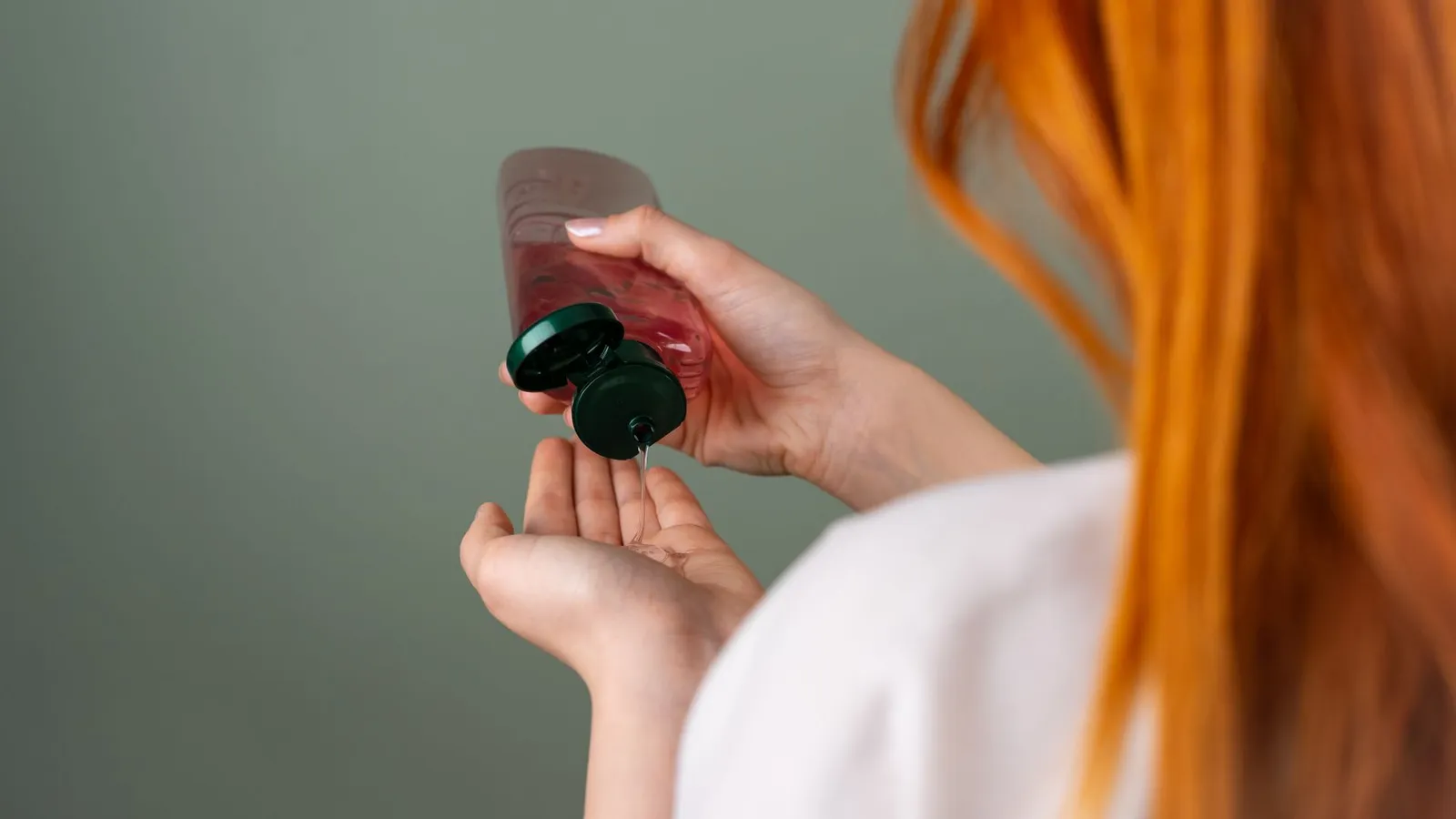
Dandruff in winter: why it flares up and what helps
There is a reason flakes on your shoulders show up more in winter: dry indoor air, hats, hot showers and less frequent washing all change conditions on the scalp. The causes, and a simple winter routine.
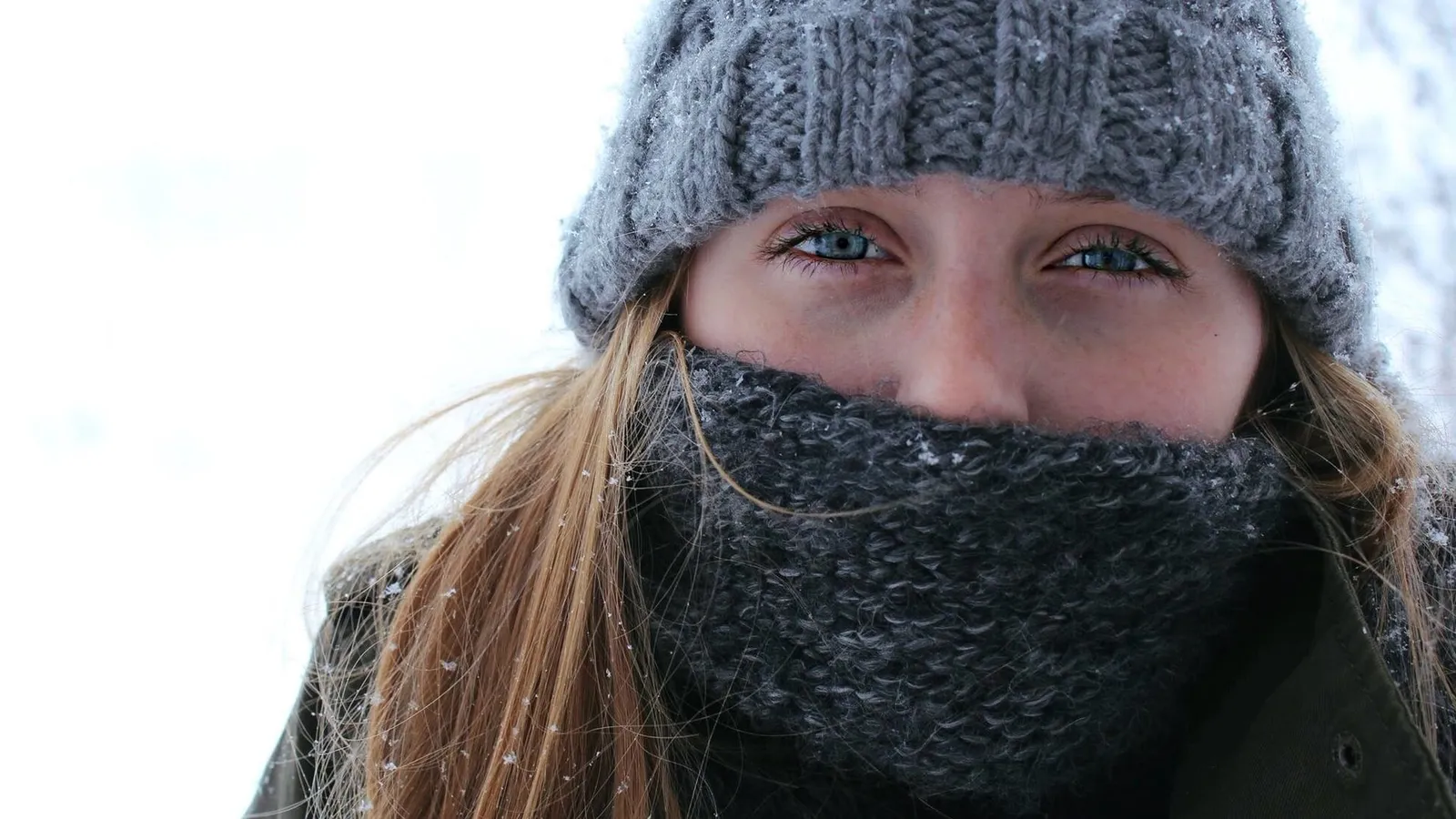
A dark coat, a scarf, a hat – and by midday there are white flakes on your shoulders again. If dandruff in winter bothers you more than in summer, you are not alone: many people notice this seasonal flare-up. Most of the reasons come down to habits, and habits can be changed.
Why dandruff is more noticeable in winter
Dandruff is linked to three things: sebum, the Malassezia yeasts that live on most people’s skin, and how sensitive each person’s skin is to them. Winter does not cause dandruff out of nowhere, but it changes conditions on the scalp in several ways at once.
- Dry, heated indoor air. The skin loses moisture, its barrier weakens, and it becomes irritated and flaky more easily.
- Hats and too little air. It is warm and humid under a hat, so sweat and sebum stay on the skin longer, and that microclimate can encourage flaking.
- Hot showers. Hot water strips the skin’s protective lipids and adds to tightness and itching.
- Washing less often. In cold weather, people often wash their hair less to avoid going out with it damp. Sebum and flakes build up, and that gives Malassezia plenty to feed on.
- Dark clothes. There may be no more flakes than in July, but on a black coat everyone can see them.
Dry scalp or dandruff: how to tell the difference
Two different conditions are easily confused in winter, and they need different care.
With a dry scalp, the flakes are small, white and light, the skin feels tight, and your hands and face are often dry too. With dandruff, the flakes are usually larger, sometimes yellowish and slightly greasy to the touch; they stay close to the roots, and the scalp often itches.
The two can occur together, so go by the overall picture rather than a single sign. If it is hard to tell, ask a dermatologist or doctor to look at your scalp.
Winter scalp care: a checklist
- Warm water, not hot. A temperature that feels comfortable on your wrist is a good guide.
- Regular, gentle cleansing. Wash your hair as often as your scalp needs, do not leave longer between washes just because it is cold, and massage with your fingertips, not your nails.
- Dry roots. Do not go outside or put a hat on while the roots are still damp. Set the hairdryer to warm, not hot.
- A clean, breathable hat. Wash it regularly and take it off indoors and on public transport.
- A leave-in step between washes. If your scalp needs it, a leave-in scalp lotion continues the care on days when you do not wash your hair.
- Do not scratch. Scratching damages the skin barrier and makes flaking more visible.
- Do not layer on oils. Oil on the scalp hides the flakes but does not solve the problem.
To find out what care suits your scalp, take the free scalp test: it is short and matches you with a personal protocol.
Common winter mistakes
- Mistaking dandruff for dryness. With dandruff, rich masks and oils on the scalp often just make the flakes more obvious.
- Washing less often “so it doesn’t dry out”. A scalp with dandruff usually does better with regular, gentle cleansing than with long gaps.
- Switching products every week. Skin needs time; when everything changes at once, it is hard to tell what suits you.
- Giving up at the first sign of improvement. Dandruff tends to come back, so consistency matters more than a short burst of effort.
Shampoo and leave-in lotion: how the steps work together
Caring for a scalp with dandruff starts with cleansing; depending on what your scalp needs, a leave-in step may be added to complement it.
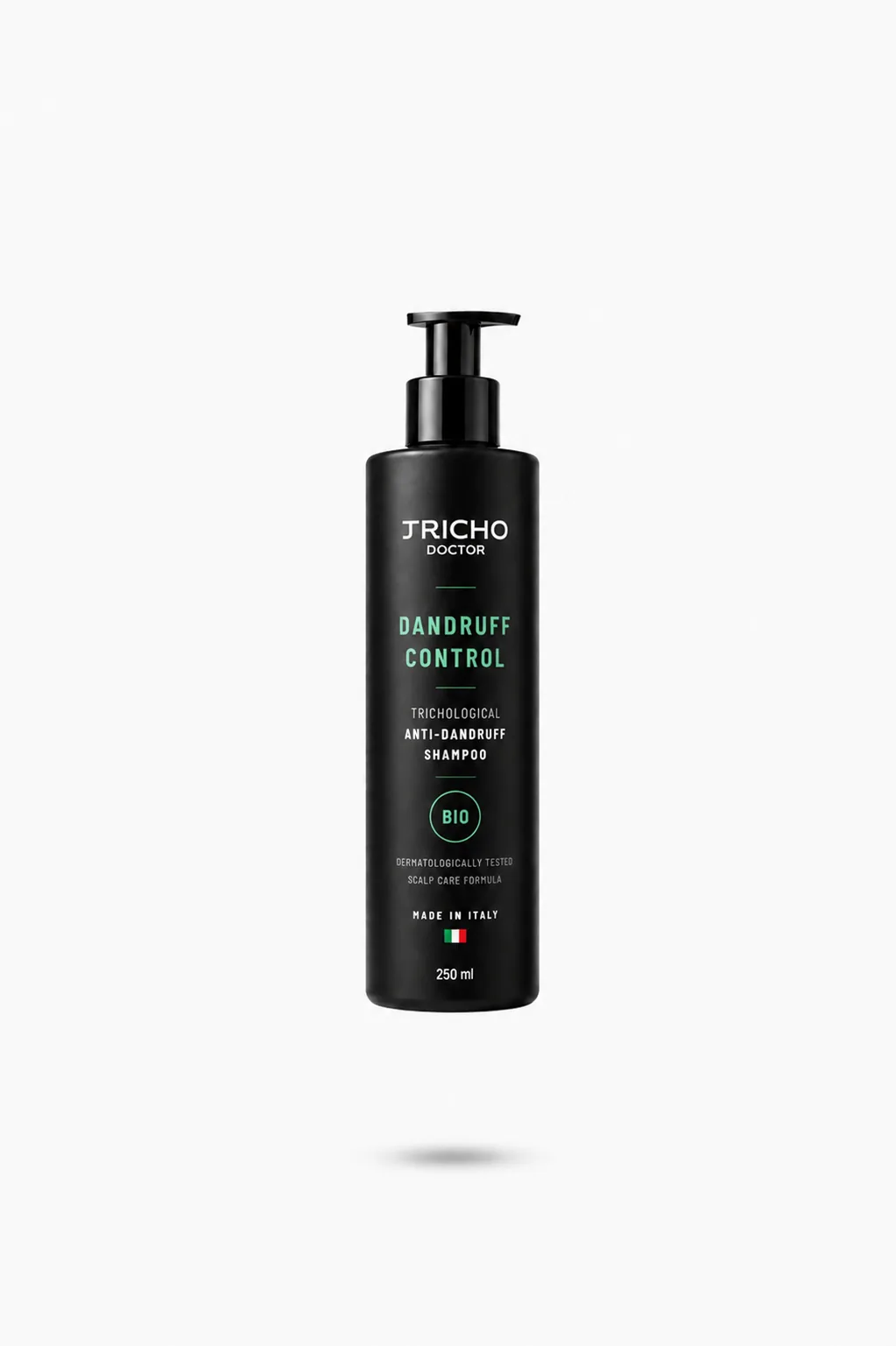
The shampoo is the rinse-off cleansing step that works while you wash. Dandruff Control Shampoo is made for persistent visible flaking: its complex based on piroctone olamine targets Malassezia-associated dandruff and helps remove scales. It also contains undecylenic acid, thyme and burdock.
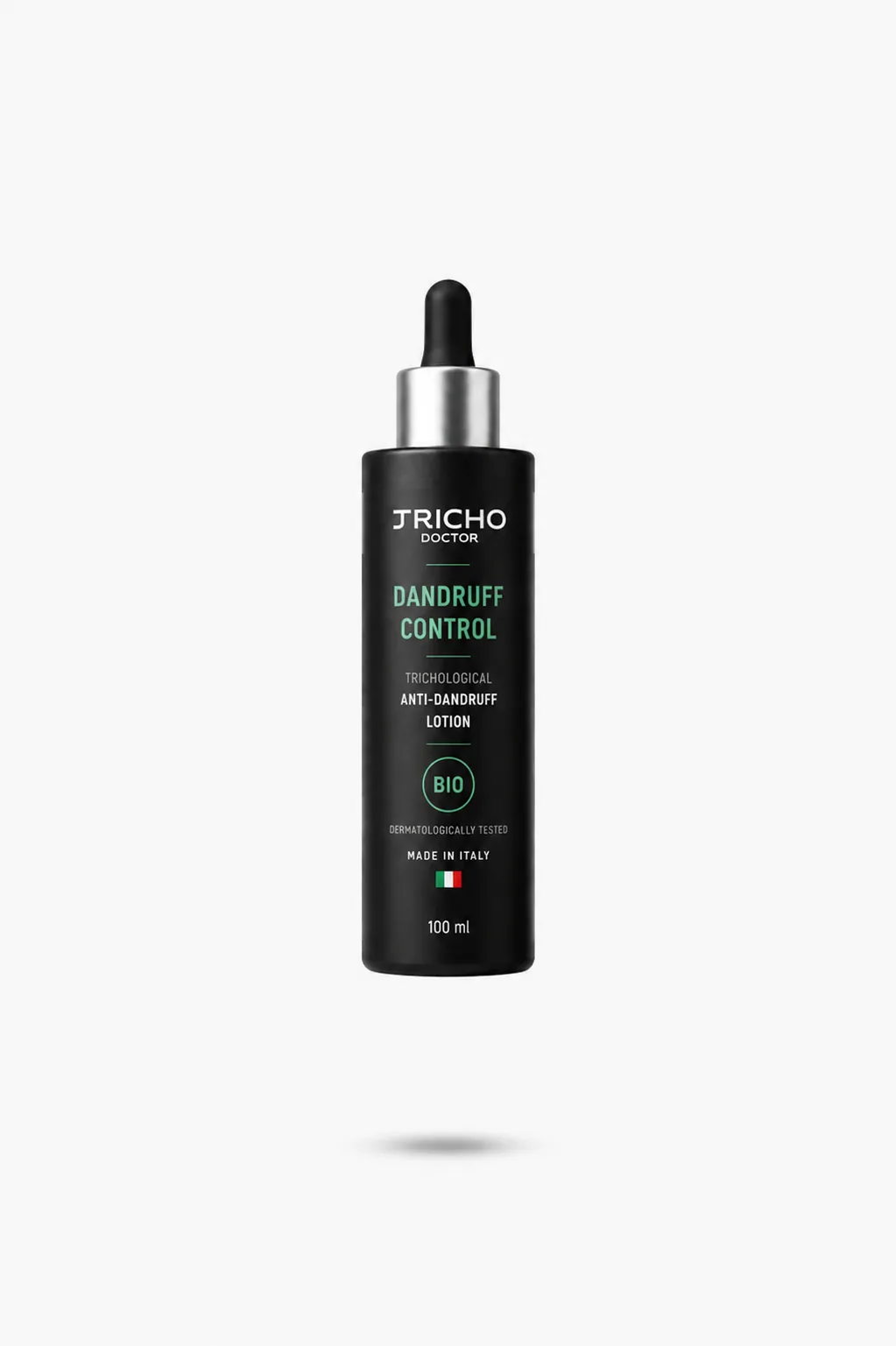
The leave-in lotion stays on the scalp and continues the care between washes. Dandruff Control Lotion combines keratolytic exfoliation (salicylic acid) with anti-dandruff support; the formula also contains piroctone olamine, thyme and inulin.
Both are cosmetics: they cleanse and care for the scalp and help reduce the appearance of flaking, but they do not treat skin diseases. Use them as directed on the pack. The test works out which steps you need: depending on your scalp, the protocol may include the shampoo alone or the shampoo together with the leave-in lotion. Protocols come in three levels: Base, Advanced and Intensive.
When it is not “just winter”
Seasonal dandruff is a nuisance, but it usually responds to regular care. See a dermatologist or doctor if:
- the scalp is very red or inflamed, painful, weeping or bleeding;
- thick crusts or sharply defined patches have appeared;
- the flaking spreads beyond the scalp, to the eyebrows, the sides of the nose or behind the ears;
- the changes came on suddenly, or hair is falling out in clumps or patches;
- the flaking has lasted several weeks despite regular, gentle care;
- the person affected is a child, you are pregnant, or the problem started while you were taking medication.
Signs like these may point to seborrheic dermatitis, psoriasis, a contact allergy or a fungal infection. Only a doctor can tell these apart and make a diagnosis; medicated products are prescribed by a doctor, and cosmetic care does not replace them.
If none of this applies and your concern is ordinary seasonal flaking, take the free scalp test and get a care protocol matched to your scalp.
Frequently asked questions
Can wearing a hat cause dandruff?
Not on its own. But it is warm and humid under a hat, sweat and sebum stay on the skin longer, and any flaking you already have can become more noticeable. A clean hat, and dry roots before you go out, both help.
How often should you wash your hair in winter if you have dandruff?
There is no single figure for everyone, so go by your own scalp. As a general rule, do not leave longer between washes just because it is cold, as sebum and flakes build up.
Can you put oil on your scalp if you have dandruff?
Better not. Oil smooths the flakes down for a while, but Malassezia feeds on lipids, so the flaking may get worse. Oils and nourishing masks belong on the lengths of the hair, not at the roots.
Will dandruff go away on its own in spring?
For some people flaking does ease in the warmer months, but do not count on it: your care habits affect dandruff all year round. If the flaking is persistent or pronounced, do not wait for spring; see a dermatologist.
This article is for information only and does not replace the advice of a doctor or trichologist.