Seasonal hair shedding: what is normal and when to see a specialist
Many people notice more hair than usual on the brush in autumn. Here is how to tell ordinary seasonal shedding from thinning, and when to see a dermatologist or doctor.
It is October, you are washing your hair, and there is clearly more of it in the shower drain than in summer. More on the brush, too. Most of the time this is seasonal hair shedding: a temporary spell in which normal hair turnover speeds up and then settles on its own. Sometimes there is another cause, so it helps to know what to look for.
How the hair cycle works
Every hair follows its own timetable. The longest stage is the growth phase, anagen: the follicle is active and the hair keeps getting longer, for years. After a short transition comes the resting phase, telogen. The hair no longer grows but stays in the skin for a few more months. At the end of telogen the old hair falls out and makes room for a new one already forming in the same follicle.
Follicles do not work in step. At any moment most of the hairs on your head are growing and a smaller number are resting. That is why losing some hair every day is normal.
Why more hair falls out in autumn
Many people notice more hair on the brush in late summer and autumn; some have a similar spell in spring. It is a common observation with no single, definitive explanation. The one most often given is that more hairs enter the resting phase at the same time in summer and fall out a few months later, just as autumn arrives.
The delay is the important part. Hair can react in the same way, around a couple of months late, to an illness with a high fever, severe stress or a crash diet. So when you start losing more hair, think back to what was happening a few months ago.
Seasonal hair shedding or thinning: how to tell the difference
Ordinary seasonal shedding usually looks like this:
- hair comes out evenly all over the head, not from one area
- the parting stays the same width and the hairline does not change
- your hair looks just as full, even though more of it ends up in your hand
- after several weeks the shedding gradually returns to your usual level
Thinning looks different and deserves attention:
- the parting gets wider and more of the scalp shows through
- the hairline recedes at the temples or the forehead
- your ponytail is noticeably thinner, the hair on your crown sparser
- separate patches with no hair have appeared
- new hairs grow in finer and shorter than before
Rather than rely on impressions, photograph your parting once a month in the same light.
If there is no obvious thinning and you simply want to understand what condition your scalp is in and what care suits it, you can take the short free scalp test. It does not replace an examination by a doctor.
What you can do yourself
You cannot speed up the hair cycle, but you can avoid getting in its way.
- Gentle handling. Wash your hair as often as your scalp needs. The hairs that come away in your hands during washing have already detached from the follicle; putting off a wash will not save them – more will simply come out in one go next time. Comb wet hair carefully, starting from the ends, and go easy on tight hairstyles and high heat when styling.
- The scalp. A clean, calm scalp without excess sebum or irritation is a good environment for hair that is growing.
- Sleep and stress. A chronic lack of sleep and prolonged stress do your hair no favours.
- A varied diet. Enough protein, no crash diets. If you suspect you are short of something, such as iron, a doctor can check with a blood test; do not top it up by guesswork.
- Patience. Hair grows about a centimetre a month and the cycle is slow, so judge any change after months, not days.
What cosmetic scalp care can and cannot do
Cosmetics work with what is there: they cleanse the scalp, help keep it comfortable and care for the hair that is growing. They do not stop hair shedding, bring back lost hair or replace medical treatment, and honest scalp care makes no such promises.
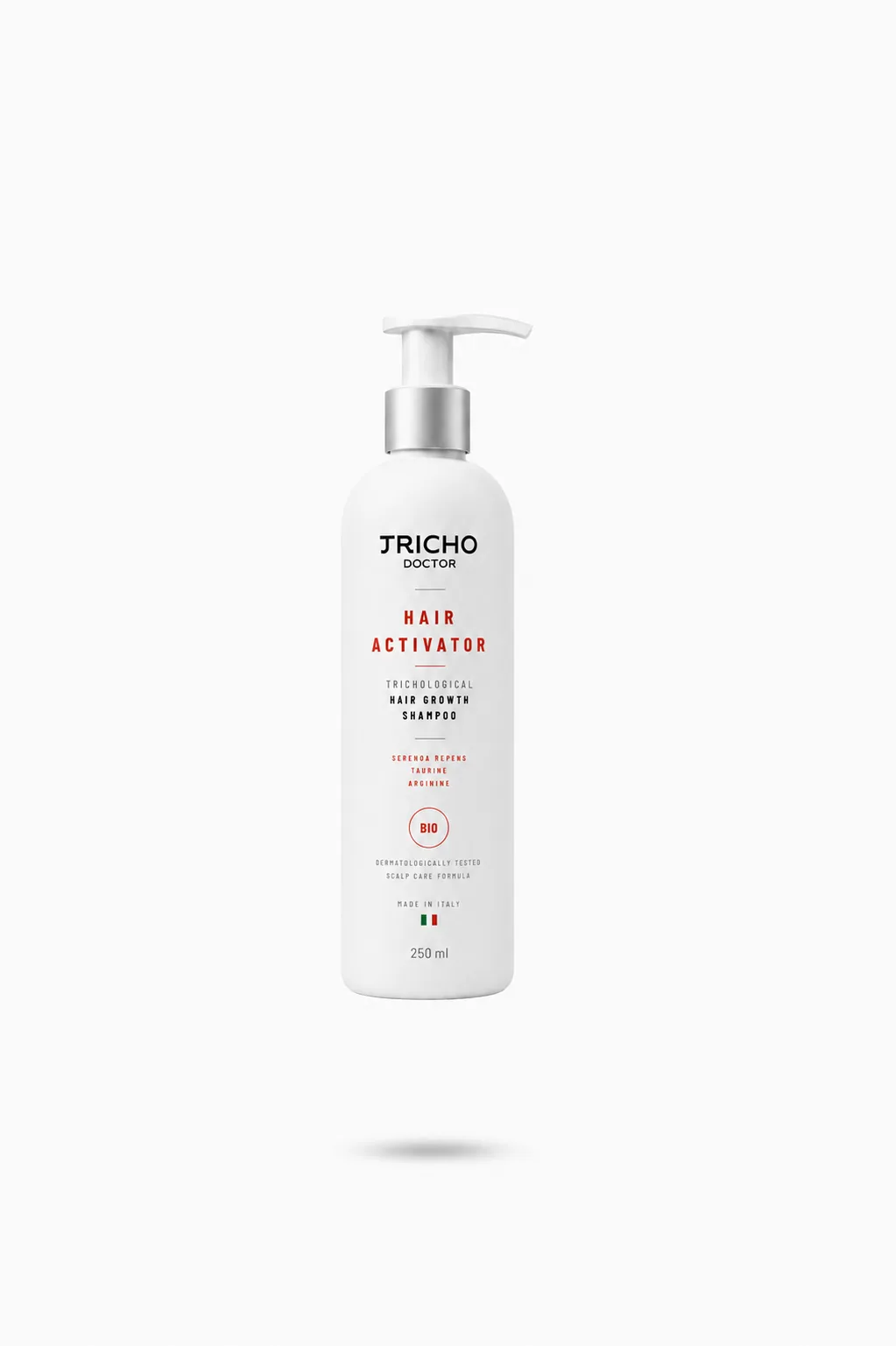
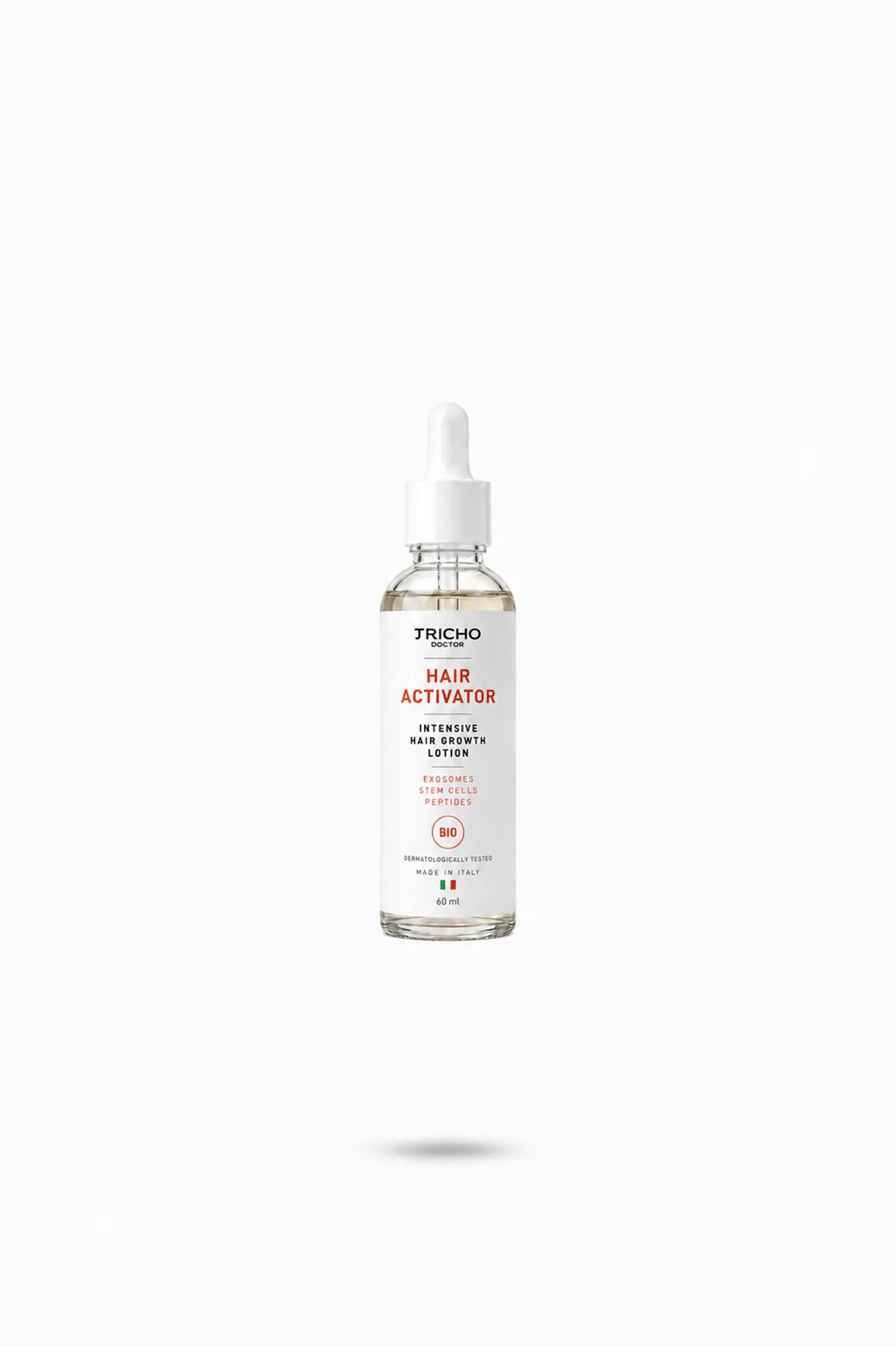
This kind of care can have two steps that complement each other. The shampoo is the rinse-off step: it cleanses during washing. The leave-in lotion is a separate step: it stays on the scalp and continues the care between washes.
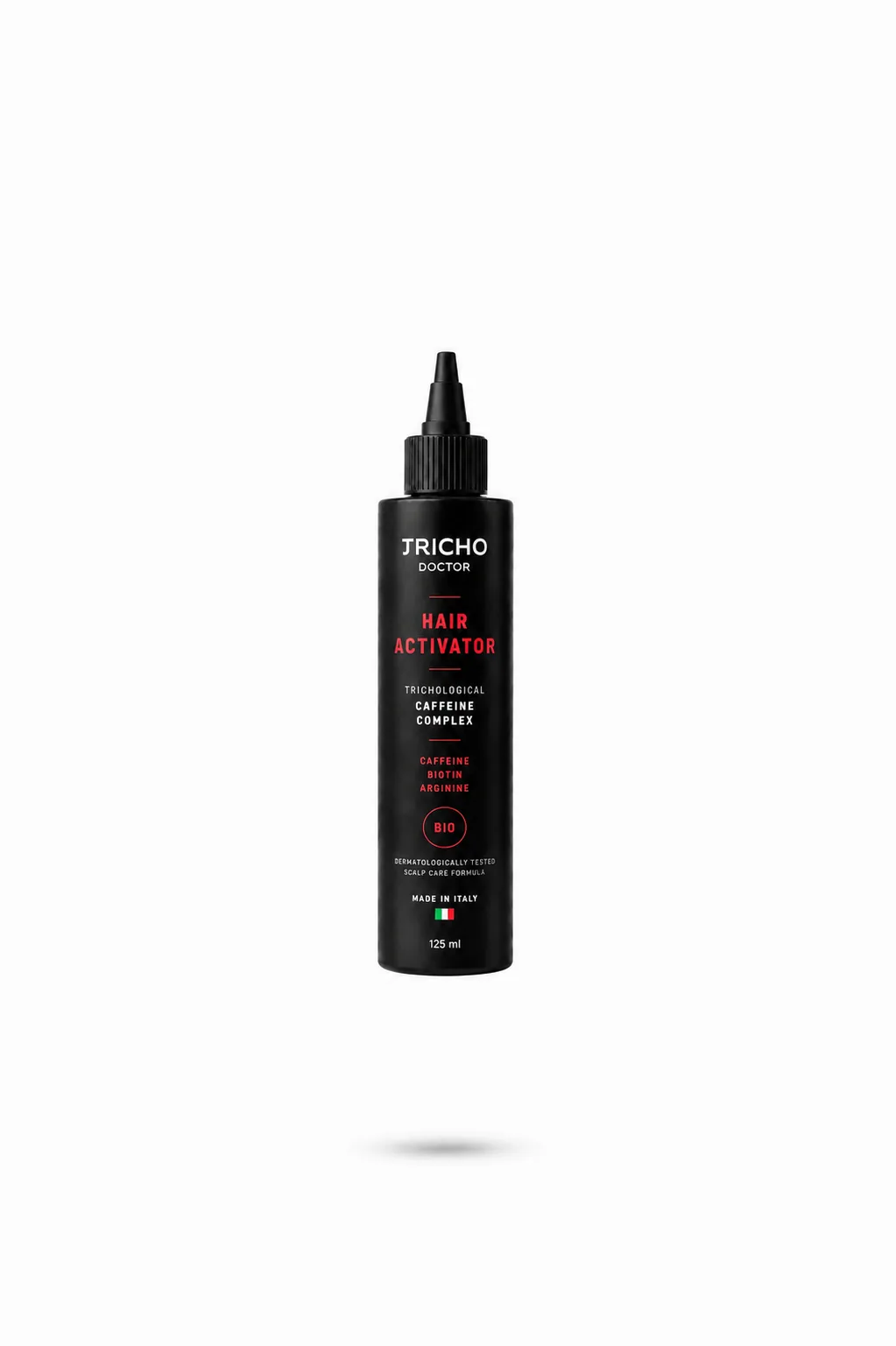
In the TRICHO DOCTOR range for weakened, thinning hair, these steps are Hair Activator Shampoo, which cleanses and prepares the scalp, and Hair Activator Lotion, an intensive lotion for hair with reduced density. The leave-in Caffeine Complex, with caffeine, biotin, arginine and niacinamide, supports scalp microcirculation between washes. Use the products as directed on the pack; the test, not an article, decides which steps suit you.
When to see a dermatologist or doctor
Typical mild seasonal shedding often does not require treatment, but persistent, severe or visibly thinning hair should be assessed by a doctor. Book an appointment if:
- your hair is coming out suddenly and very heavily, in whole strands or clumps
- patches have appeared – round or irregular areas with no hair
- your parting is widening, your hairline is receding or your hair is noticeably less dense
- the shedding has not eased after several months
- your scalp is painful, burning, very itchy, red or inflamed, has scabs or is bleeding
- your eyebrows or eyelashes are falling out as well
- the hair loss is in a child, or happens during pregnancy or after childbirth
- the shedding began while you were taking medication
A diagnosis is made by a doctor, who will arrange tests if they are needed, and only a doctor prescribes medicated products.
If none of these signs applies and you would like care matched to your scalp, take the free scalp test. Based on your answers, the site puts together a personal protocol that combines several steps and has three levels: Base, Advanced and Intensive.
Frequently asked questions
How long does seasonal hair shedding last?
Usually several weeks, after which the amount of hair you lose gradually returns to normal. There is no exact timescale. If the shedding has not eased after several months, or your hair is becoming noticeably less dense, see a dermatologist or doctor.
Does hair fall out more if I wash it more often?
No. Washing and brushing only remove hairs that have already completed their cycle and detached from the follicle. If you wash less often, they build up and come out all at once, which is why it looks more alarming.
Will a new hair grow in place of one that fell out with a white bulb?
The white bulb is the end of a hair that has been through its resting phase, not the follicle itself. The follicle stays in the skin and, in ordinary seasonal shedding, a new growth cycle begins in it. If your hair does not regain its density over time, it is worth looking for the cause with a specialist.
Can a shampoo or lotion stop seasonal hair shedding?
No, and no cosmetic product should promise that. Seasonal shedding is part of the natural cycle and passes on its own. Cosmetics care for the scalp and the hair that is growing: they cleanse and help keep the scalp comfortable.
This article is for information only and does not replace the advice of a doctor or trichologist.