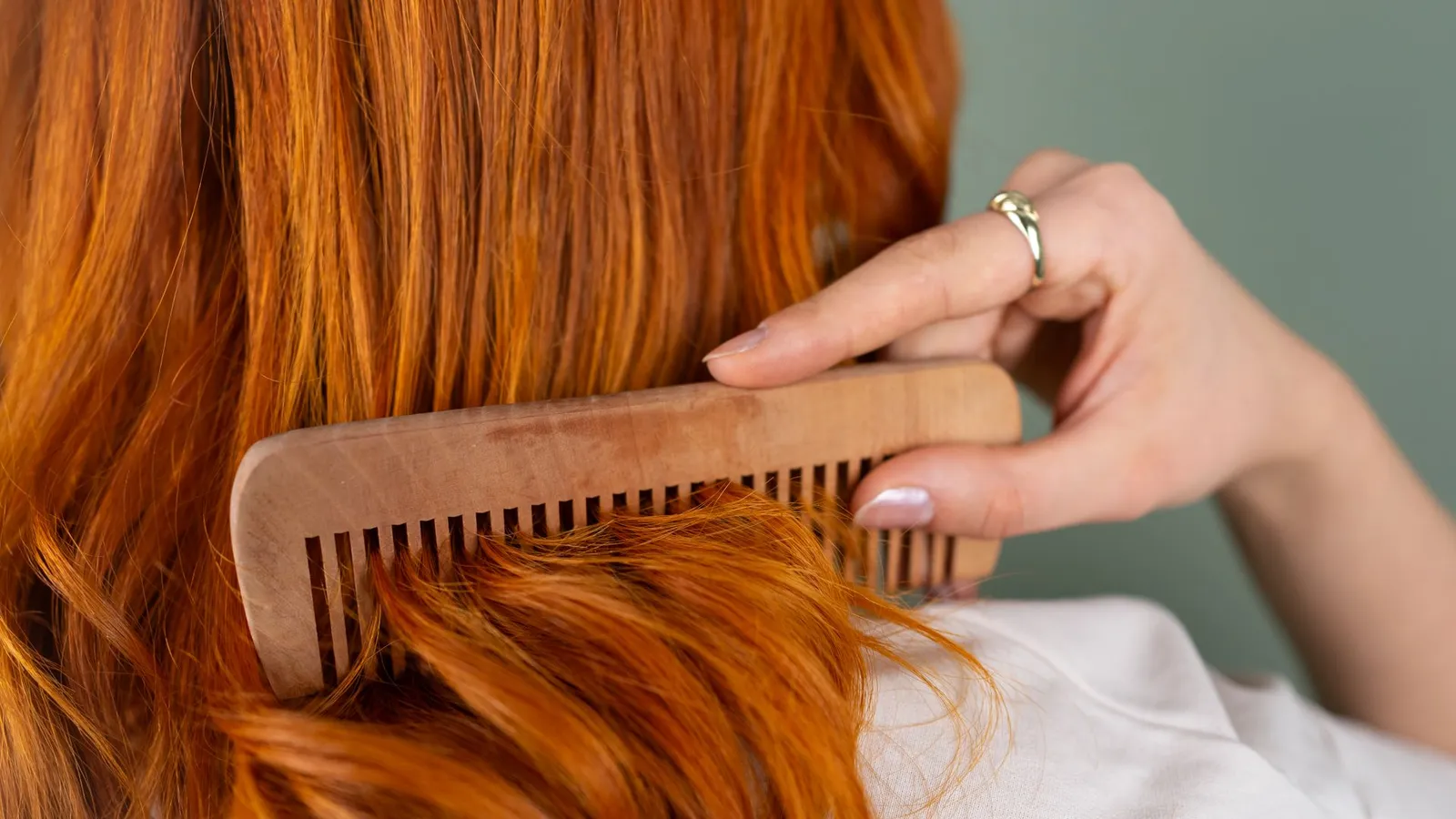
Nutrition and hair: which everyday habits affect your scalp
Hair is built from what the body gets from food, yet it sits low on the body’s list of priorities. Which everyday habits really matter, and where the myths begin.
A new shampoo, gentler brushing – and still your hair looks duller, and more of it stays in the brush. At that point it is natural to start wondering about food. Nutrition and hair really are connected, though not as simply as headlines about “foods for thicker hair” promise.
Why the body economises on hair
A hair is made mostly of keratin, a protein the hair follicle assembles from amino acids. In its growth phase (anagen) the follicle is one of the most actively dividing structures in the body and constantly needs energy, protein, vitamins and trace elements.
Hair, however, is not vital. When resources run short because of a strict diet, illness or severe stress, the body supplies the heart, brain and other organs first, and hair gets whatever is left.
The scalp is living tissue too, shaped by hormones, heredity, care and climate; diet is only one factor, and not the main one.
Everyday eating habits that matter for hair
There is no special “hair diet”. Hair responds not to a single lunch but to months of plain, slightly boring consistency:
- Eating enough. Adequate and consistent intake of energy and nutrients matters more than the number of meals per day.
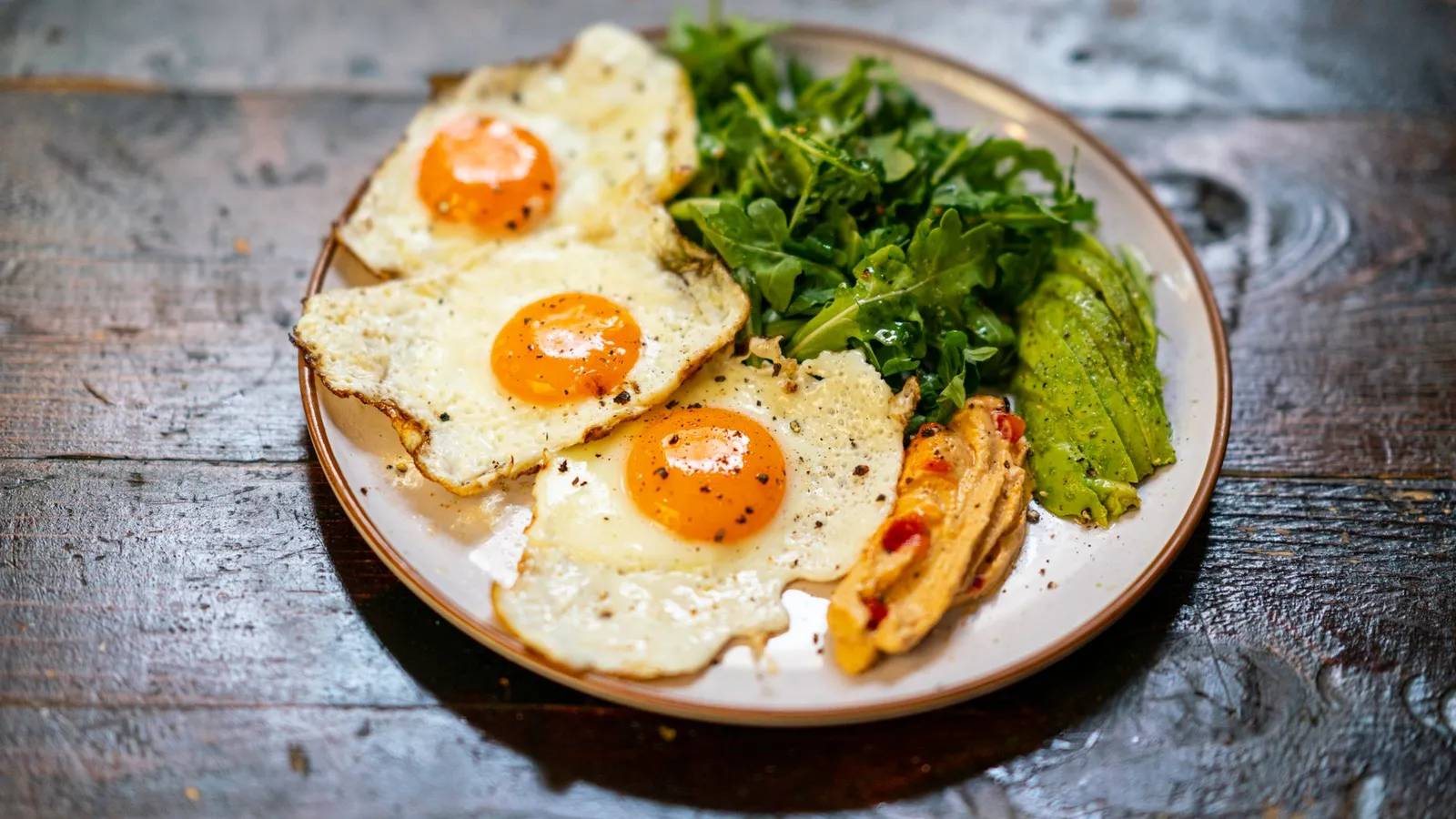
- Protein with every main meal. Meat, fish, eggs, dairy, pulses, tofu, nuts: the source matters less than getting enough.
- Variety. Vegetables, fruit, whole grains, pulses, fish and vegetable oils supply different vitamins and minerals; a monotonous diet leaves gaps.
- Fluids and sleep. Neither is a hair remedy, but the body needs both to work and recover normally; chronic lack of sleep and constant tension can, over time, show in the hair.
On alcohol and smoking, briefly and without a lecture: in large amounts, alcohol crowds out proper food and makes some nutrients harder to absorb, while smoking affects the small blood vessels, including those that supply the skin.
Strict diets and rapid weight loss: delayed hair loss
Cutting calories sharply, dropping whole food groups and losing weight fast all put the body under stress. Some follicles respond by moving early from growth into the resting phase (telogen), and those hairs fall out some time later.
The delay is the key feature: noticeable diffuse shedding, spread evenly over the whole head, usually begins months, not days, later. That is why people often look for the cause in the wrong place: a new shampoo, the water, the change of season.
In most cases the reaction is temporary: once you are eating properly again, the growth cycle gradually settles. That is not a promise, though, and heavy or persistent shedding needs a doctor’s assessment. And if you plan to lose weight, a slower pace and enough protein are kinder to your hair too.
Protein, iron, zinc, biotin, vitamin D: what is worth knowing
These names come up most often when people talk about hair. Here they are in brief and without doses, which are for a doctor to prescribe.
- Protein is the main building material of hair; a shortage is usually linked to strict dieting and unbalanced eating.
- Iron helps carry oxygen. Iron deficiency is fairly common, especially in women, and a doctor will usually check for it when someone comes in with hair loss.
- Zinc is needed for cell division and protein synthesis.
- Biotin (vitamin B7) plays a part in metabolism; true deficiency is rare with a varied diet.
- Vitamin D is being studied in relation to the hair follicle cycle; how direct the link is has not been fully established.
A varied diet normally covers the need for these nutrients. A true deficiency cannot be judged from your hair or nails; a doctor finds it with a blood test. High doses taken “just in case” are a bad idea: an excess of some vitamins and trace elements is not harmless, and some supplements can distort laboratory results. So before a blood test, tell your doctor what you are taking.
What your scalp needs from the outside is a separate question, and the short free scalp test helps you answer it.
Two persistent myths about nutrition and hair
“There is one superfood for hair.” Avocado, nuts, salmon and seeds are good food, but no single food covers everything a follicle needs. Hair needs the diet as a whole, not one star ingredient.
“More vitamins, more hair.” If there is no deficiency, extra doses do not make hair thicker: the body does not build “in reserve”.
Nutrition from the inside, care from the outside: how they fit together
Diet and scalp care are two different things that complement each other. Food gives the follicle its material from the inside; cosmetics work from the outside. Shampoo is the rinse-off step that cleanses the scalp during washing, while a leave-in lotion is a separate step that stays on the scalp and continues the care between washes. A shampoo cannot make up for a lack of iron, and a plate of vegetables cannot wash away excess sebum.
Which of these steps your scalp needs depends on its condition: a protocol may include the shampoo alone or the shampoo together with the leave-in lotion. Nutrients, though, come from a varied diet, not from cosmetics, and if you suspect a deficiency, it is for a doctor to confirm it with a blood test and decide what to do about it.
See a dermatologist or doctor if:
- hair is falling out suddenly, in clumps or in patches;
- the scalp is painful, bleeding or badly inflamed;
- the problem persists and is not improving;
- the person affected is a child, you are pregnant, or the shedding began while you were taking medication.
If none of this applies and you want to know what care suits your scalp, take the free scalp test. You will get a personal protocol: a product line for your concern, at one of three levels – Base, Advanced or Intensive.
Frequently asked questions
Can dieting make your hair fall out?
Yes. Strict diets and rapid weight loss are well-known causes of temporary diffuse shedding, which usually starts after a delay. If it is heavy or drags on, a doctor should look for the cause.
Which vitamins should I take for my hair?
There is no universal answer. Supplements make sense where a doctor has confirmed a deficiency with a blood test; with a varied diet, food usually covers the need. Do not take high doses without a doctor’s advice.
How long does it take for a change in diet to show in your hair?
Not quickly. Hair grows slowly, and the follicle needs time to return to its usual rhythm, so think in months rather than weeks. Nobody can give you an exact timescale.
Can a shampoo or lotion make up for a poor diet?
No. Cosmetics care for the scalp and hair from the outside: they cleanse, soothe and help maintain balance. The follicle gets its nutrients from the blood, that is, from what you eat.
This article is for information only and does not replace the advice of a doctor or trichologist.