
Oily scalp and hair that gets greasy fast
An oily scalp produces more sebum than it needs, so hair looks flat and greasy a day after washing. Care can help regulate sebum and keep the scalp clean for longer: a purifying shampoo when you wash and a leave-in lotion that continues the care between washes.
Answer a few questions and get the protocol for your scalp: which products, in what order and how often.
Why it happens
Sebum is produced by the sebaceous glands next to each hair follicle. Their activity depends on hormones, genetics, stress, climate and season. Harsh washing, very hot water and heavy styling products can make the scalp feel greasier, and excess sebum mixed with dead skin cells can build up around the follicles. Oiliness is often worse in warm weather and can come together with flaking (oily dandruff).
What helps in scalp care
Wash as often as your scalp needs: daily washing with a suitable formula is fine. Choose a shampoo designed for oily scalp that cleanses without stripping, then apply a leave-in lotion to the scalp to help control re-greasing between washes. Look for ingredients that help clear build-up and regulate sebum; the ones in this protocol are listed below. Rinse with lukewarm water and keep conditioner on the lengths, not on the roots.
When to see a dermatologist
See a dermatologist if the oily scalp comes with redness, burning, thick yellow scales, sores or sudden hair loss, or if it does not improve after several weeks of regular care. Cosmetics care for the scalp; they do not treat skin diseases.
The care protocol, step by step
Sebum Control protocol
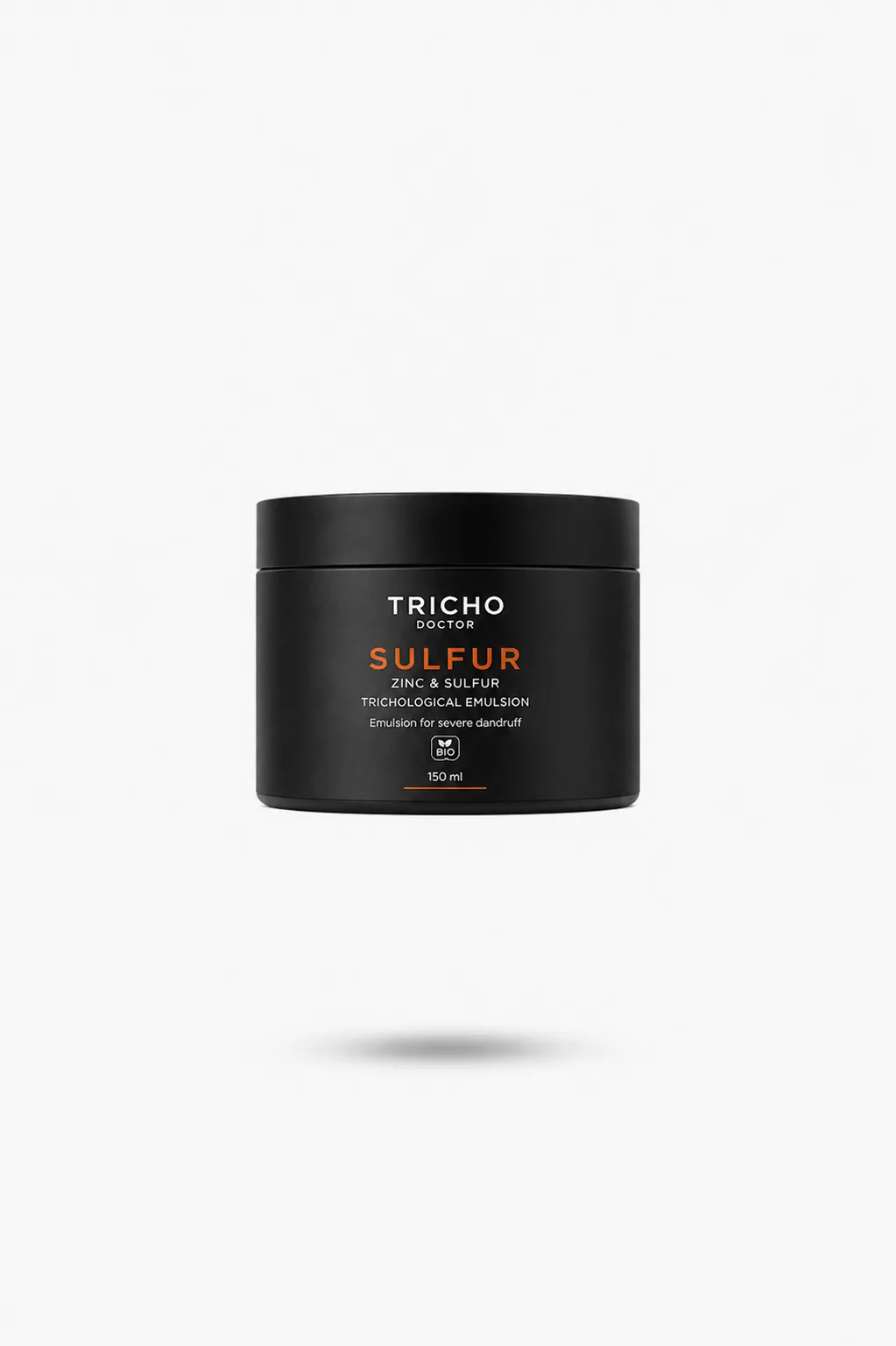
- 01EXFOLIATESulfur EmulsionDepending on your test result
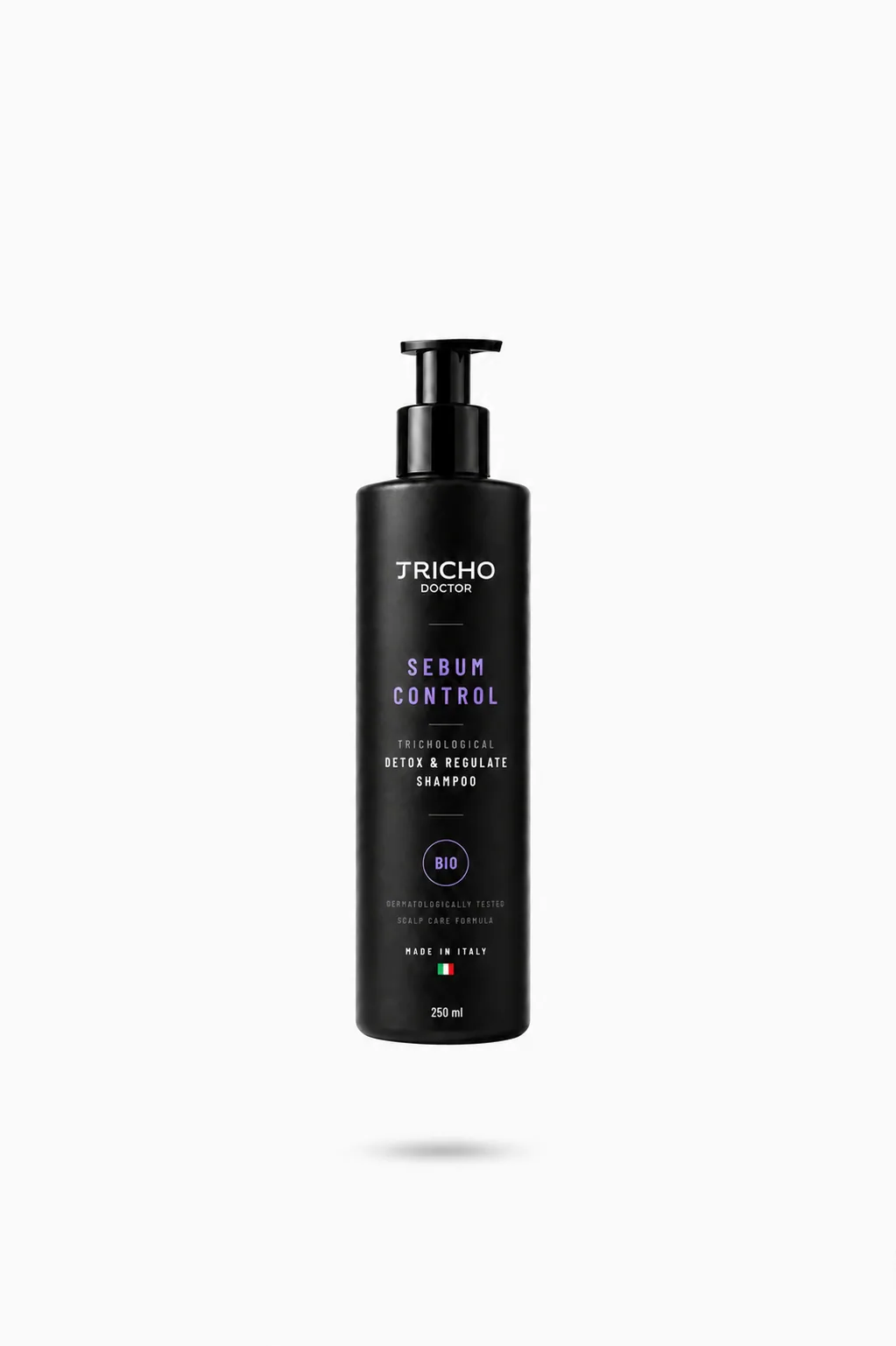
- 02CLEANSESebum Control Shampoo
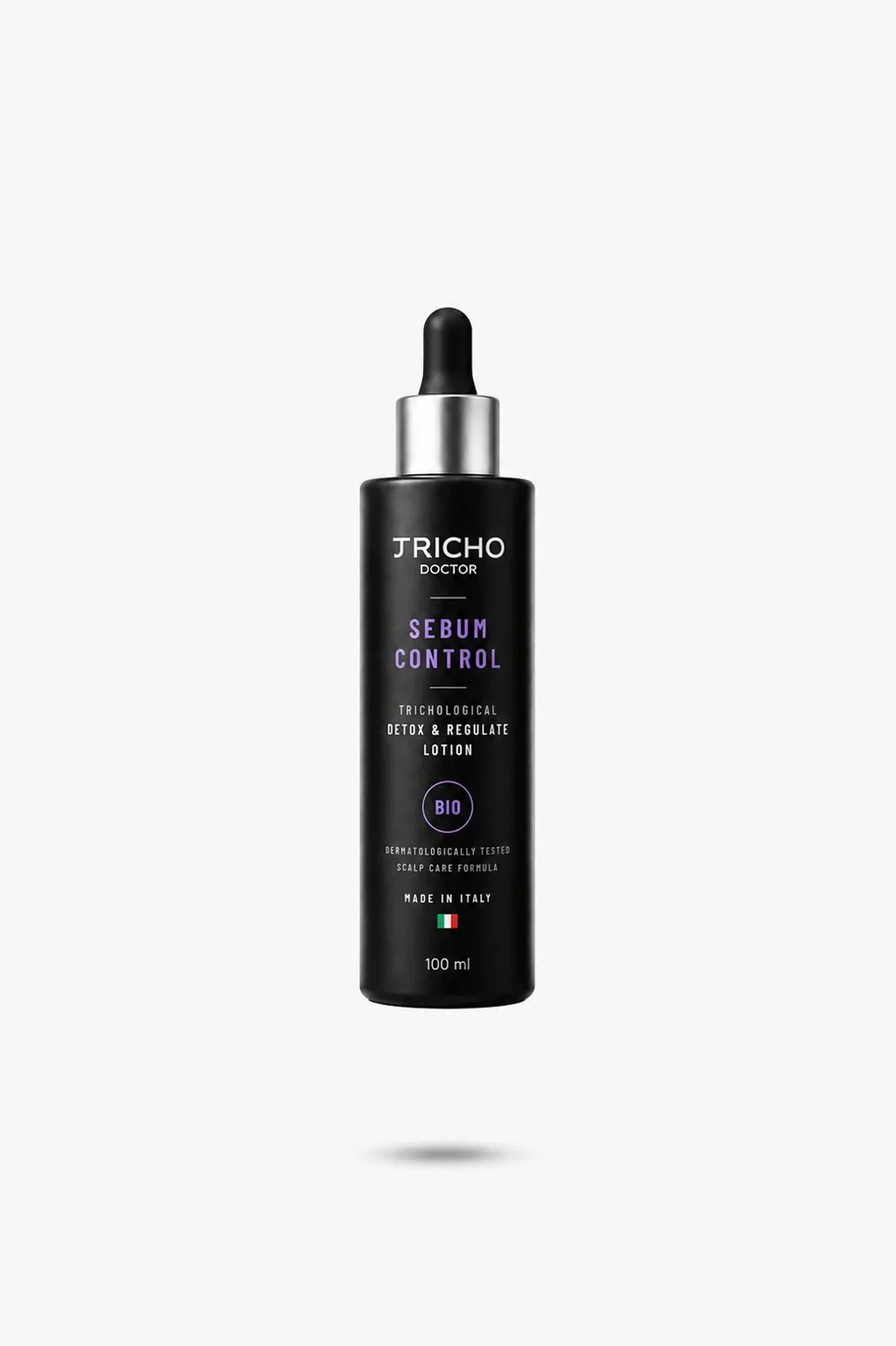
- 03CONTROLSebum Control LotionDepending on your test result
SULFUR EMULSION and SEBUM CONTROL SHAMPOO are not used one after another in the same wash. Alternate them every other wash: SULFUR EMULSION for one wash, SEBUM CONTROL SHAMPOO for the next, and so on. SULFUR EMULSION is itself a cleansing product, so no additional shampoo is needed after it.
Products in this protocol
Key active ingredients
Questions and answers
Why does my hair get greasy so fast?
Usually because the sebaceous glands on the scalp are very active, which depends on hormones, genetics, stress and season. Harsh products or very hot water can make it feel worse. A shampoo for oily scalp and a leave-in lotion between washes help keep the roots clean for longer.
Is it bad to wash oily hair every day?
No. If your scalp gets greasy within a day, washing daily with a shampoo made for oily scalp is fine. What matters is a formula that cleanses without irritating the scalp, and lukewarm rather than hot water.
Which shampoo is best for an oily scalp?
One designed to clear excess sebum and build-up from the scalp without drying it out. A shampoo works only while it is on the scalp, so in the TRICHO DOCTOR protocol it is paired with a leave-in lotion that continues the care between washes. The short questionnaire shows which products fit your scalp.
Related articles
Shampoo and leave-in lotion: how the two steps work together
A shampoo cleanses the scalp and is rinsed away; a leave-in lotion stays on and complements your care between washes. Here is why the two steps do not duplicate each other.
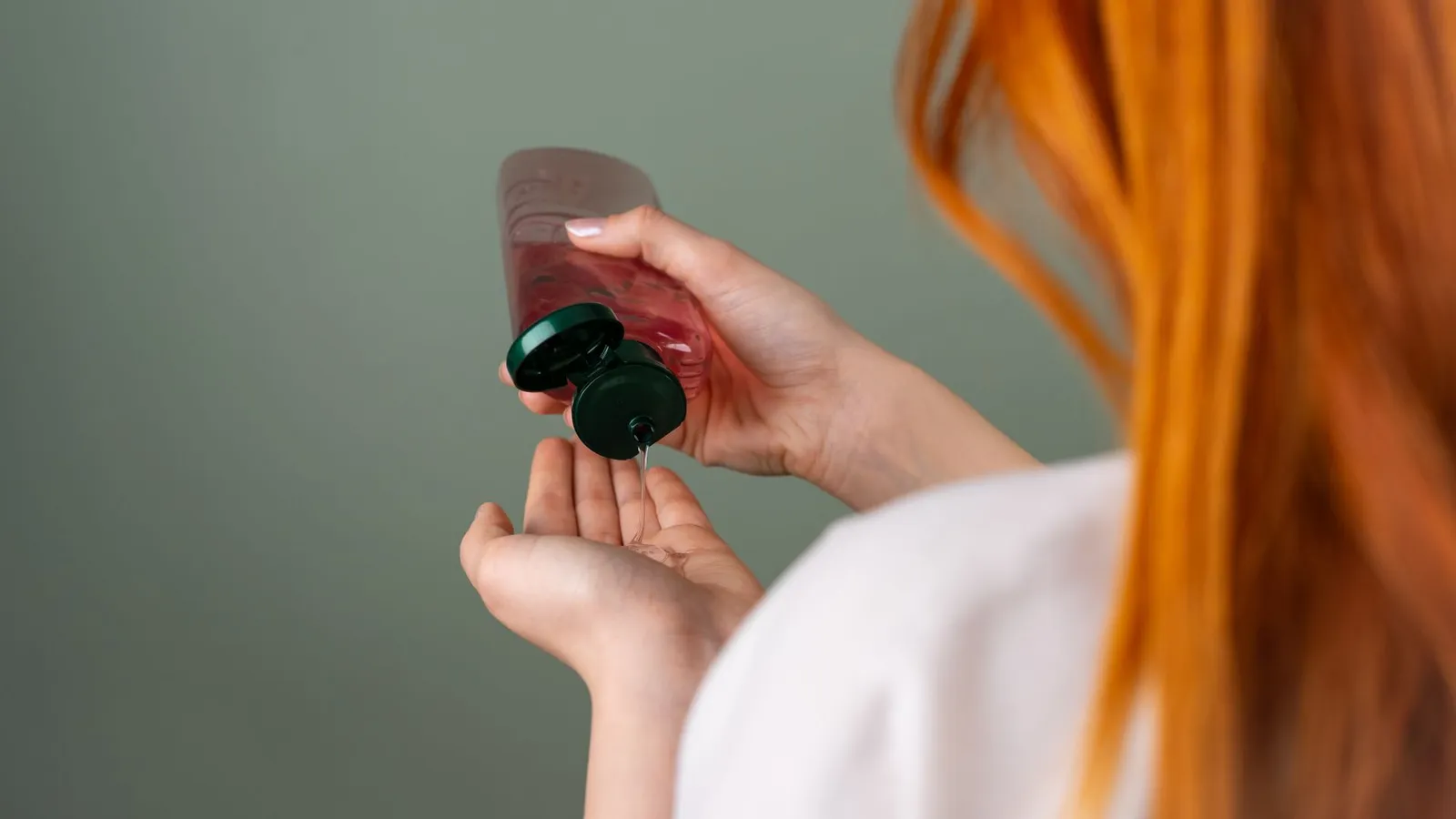
Piroctone olamine: what it is and why it is used in scalp care
Piroctone Olamine appears on the label of many anti-dandruff shampoos and scalp lotions. A plain guide to what the ingredient is, what it does in a formula and what not to expect of it.
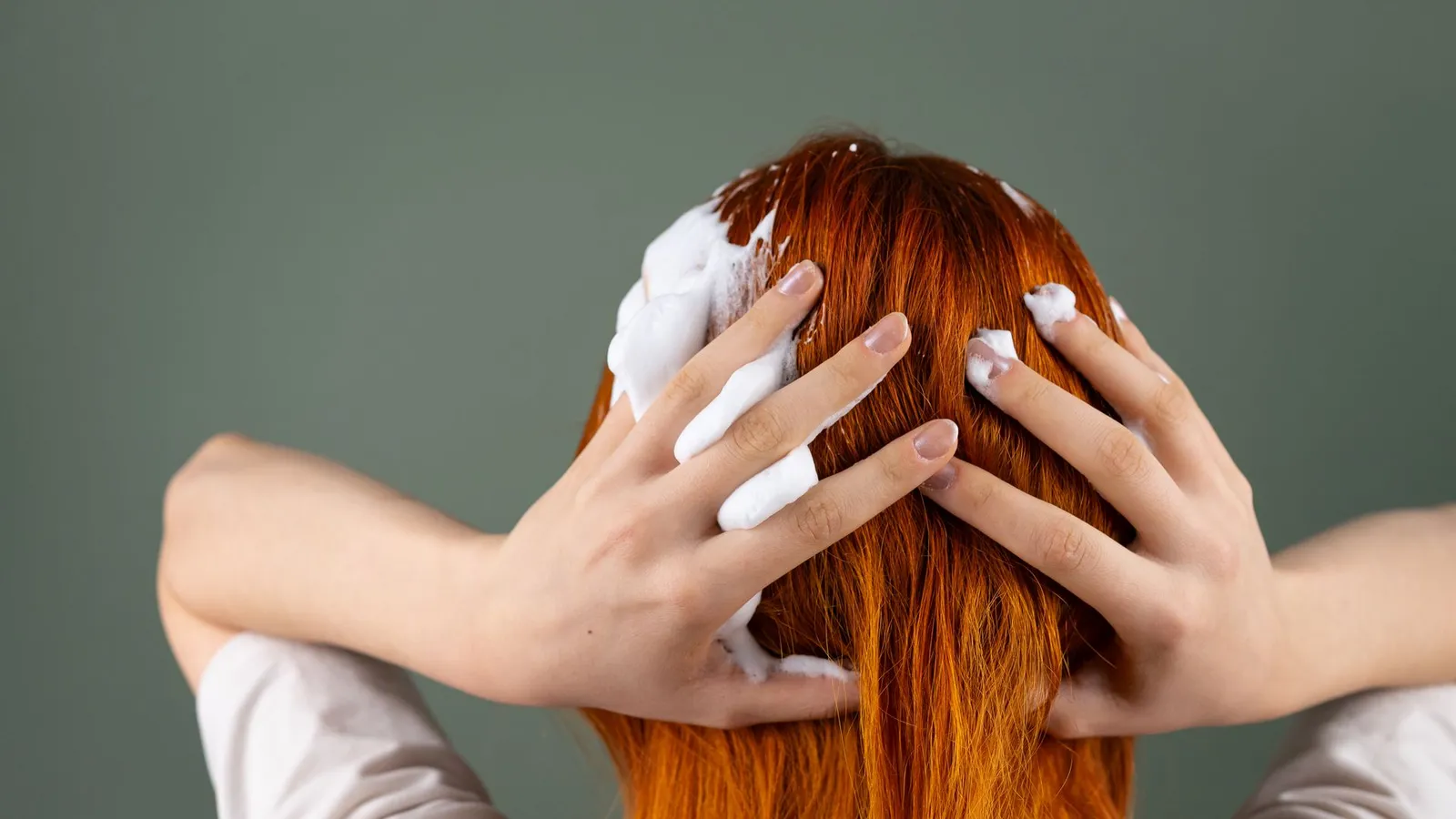
Oily scalp: why hair gets greasy so fast and how to care for it
How oily your scalp is depends on sebaceous glands, hormones and heredity, yet habits make a big difference. Here are the causes and the logic of a consistent routine.
Get your personal protocol
Answer a few questions and receive a personalised protocol with clear reasoning for every product.