Itchy Scalp Without Dandruff: Causes and Gentle Scalp Care
Your scalp itches, but there are no flakes? Here are the possible everyday causes, the habits that keep the itch going, gentle scalp care and the signs that mean a doctor should take a look.
Your scalp itches, but there are no flakes: what could be behind it
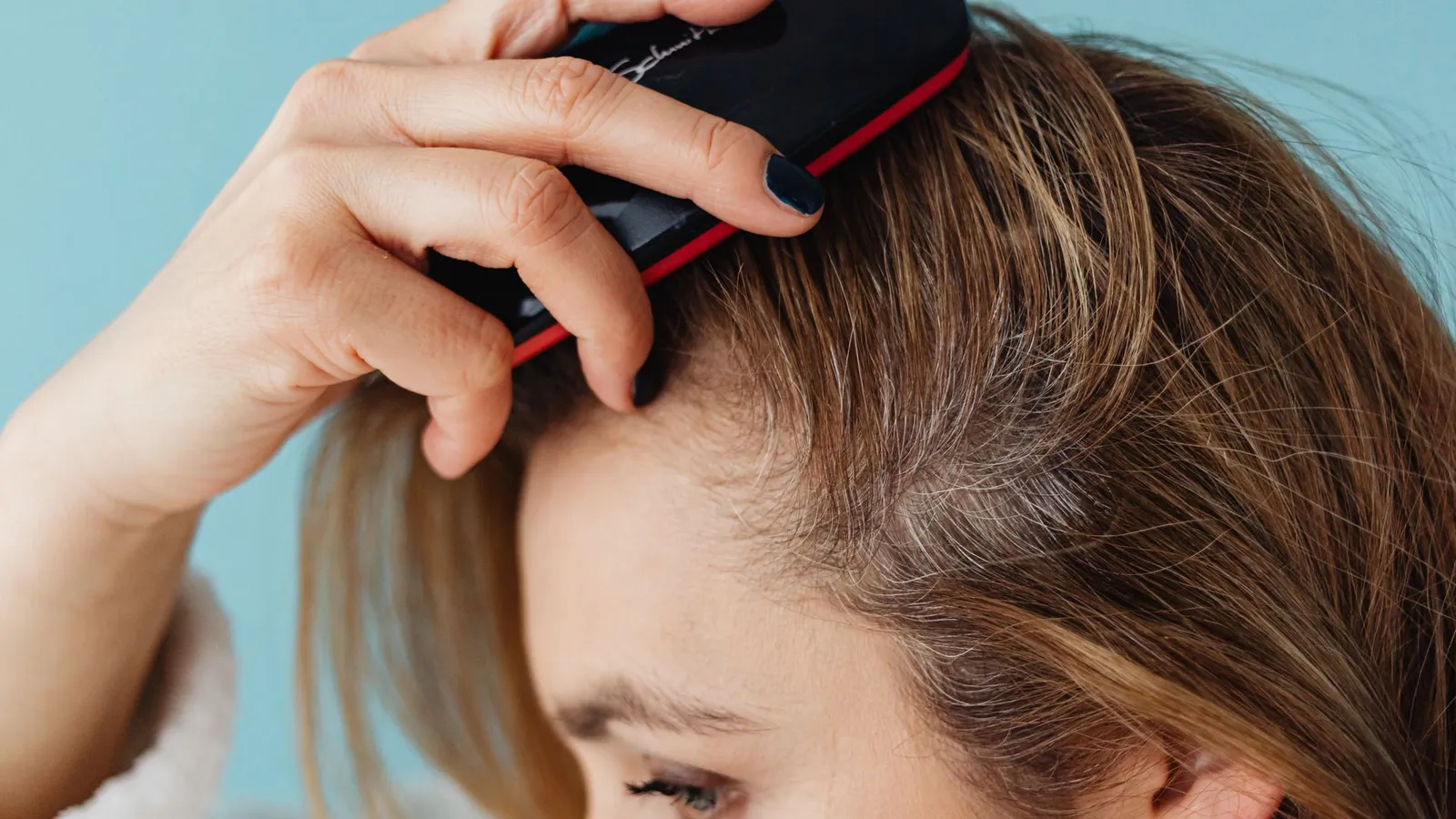
Your scalp itches, often in the evening or just after washing. Yet there are no white flakes in your hair or on dark clothes, and in the mirror your scalp looks normal. So what is going on?
An itchy scalp without dandruff is a good reason to take a closer look at your everyday scalp care and habits. Dandruff shows up not only as itching but as visible flaking, without noticeable inflammation. If there are no flakes, it is worth checking other possible factors: dry skin, irritation from hair products, how you wash, heat and friction. Sometimes the itch comes from a skin condition that a doctor needs to assess.
This article offers pointers and describes supportive cosmetic care. It does not make a diagnosis and does not replace an examination by a specialist.
Possible causes of an itchy scalp
Only an examination can show what is causing the itch in a particular person. These are the factors worth looking at first.
A dry scalp. Dry skin can feel tight and itchy. Many people notice a dry scalp in winter, when it is cold outside and the heating is on indoors.
Hair products. Shampoos, conditioners, hair dyes, hairsprays, mousses and other styling products can irritate the scalp. Think back: did the itching start after you changed shampoo, coloured your hair or bought a new styling product?
How you wash. Very hot water, washing very often, harsh cleansing and hard water can all make discomfort worse.
Hairstyles and hats. Tight ponytails and braids, snug hats, synthetic headwear, sweating underneath and constant rubbing can irritate the skin.
The wider picture. Some people find the itch bothers them more in a particular season, during stressful periods or when they are short of sleep. These are possible contributing factors, not a definite cause.
Scratching and rubbing: how the itch keeps itself going
When your scalp itches, your hand reaches up almost without thinking. Fingernails and a stiff brush can damage the surface layer of the skin, and damaged skin is more easily irritated. That creates a vicious circle: itching, scratching, more irritation.
To reduce mechanical irritation:
- keep your nails short, so that scratching without meaning to does less harm;
- use a soft brush or a comb with rounded teeth;
- choose loose hairstyles rather than tight ones that pull at the roots;
- pat your hair dry with a towel instead of rubbing it hard.
Instead of scratching, gently press the itchy spot with your fingertips and hold for a few seconds. If the itch seems linked to styling, take a break from hairspray, mousse or dry shampoo.
Gentle scalp care for an irritated, sensitive scalp
The aim of gentle care is not to put extra strain on the skin. The basics:
- wash your hair in lukewarm, not hot, water;
- choose a mild cleanser made for a sensitive scalp;
- rinse out shampoo and conditioner thoroughly so that no residue stays on the skin;
- pat your hair dry rather than rubbing it;
- avoid hot blow-drying: use a cool or warm setting and hold the dryer at a distance.
Introduce new products one at a time. That makes it easier to see how your skin reacts to each one and to notice early if something irritates it.
How much product to use and how often to wash depends on that particular product. Don't make up your own routine: follow the directions on the product.
If you are not sure what care suits your scalp, take the free scalp test on our site: Get Your Personal Protocol. The test suggests cosmetic care and does not replace a visit to a doctor.
Cosmetic support for a sensitive scalp
If your scalp is sensitive, reddens easily and tends to react with irritation, you can add a product designed for this kind of skin to your routine.
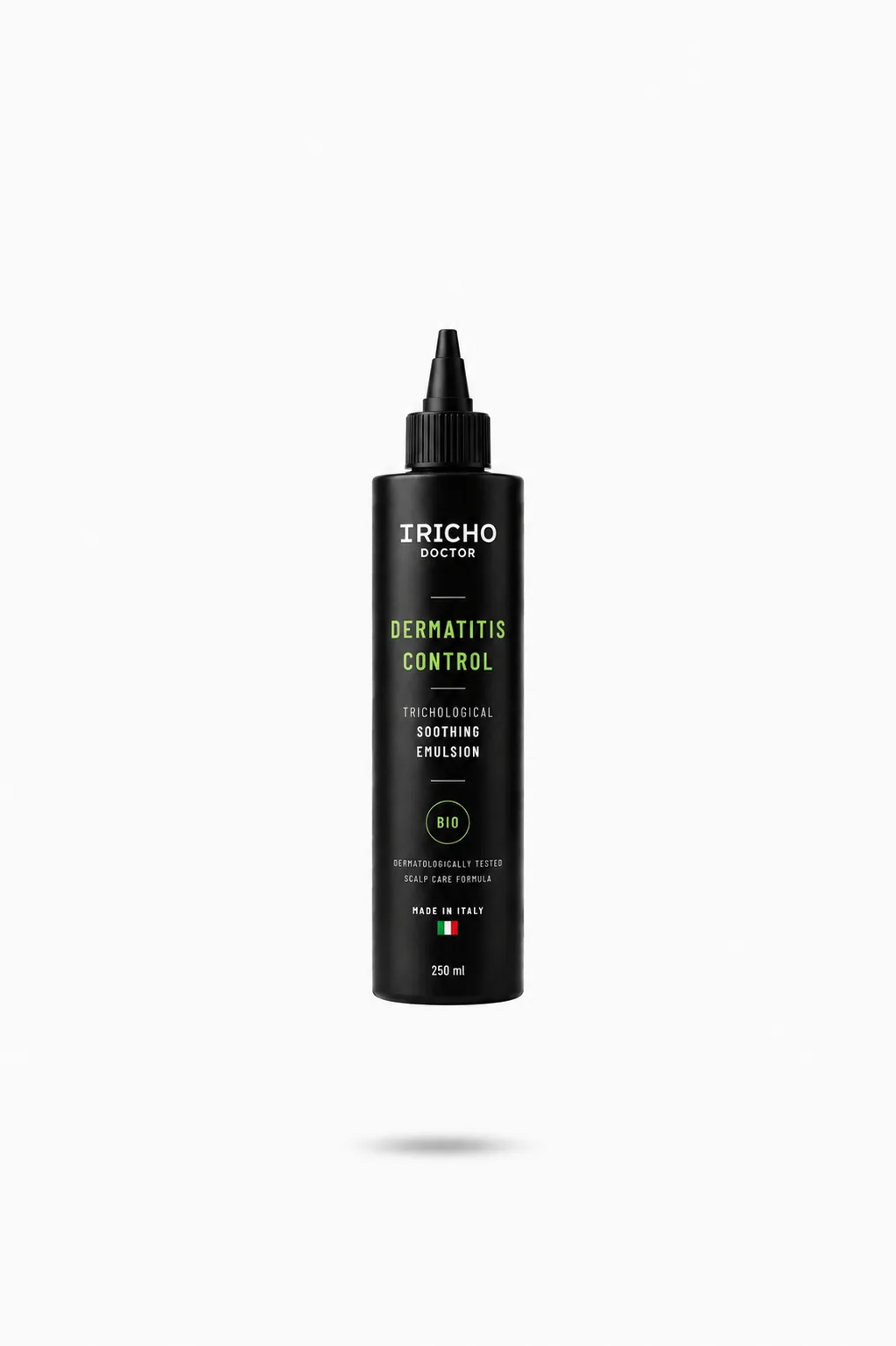
One option from our trichological cosmetics is Dermatitis Control Emulsion by TRICHO DOCTOR. It is a soothing trichological cleansing emulsion developed for scalp and body areas with sensitivity, redness and recurrent flaking, including care for skin prone to seborrheic dermatitis. Its active ingredients are Piroctone Olamine, Lavender, Linseed and Lactic Acid. You use it when you wash: it cleanses and soothes a sensitive scalp.
It is important to keep cosmetic care and medical treatment apart. Seborrheic dermatitis is a skin condition, and the diagnosis is made by a dermatologist. Cosmetics do not treat this condition; they care for the scalp. Use the emulsion as directed on the product.
Which steps go into your routine is decided by the scalp test, based on your answers.
When to see a doctor about an itchy scalp
Cosmetic care is appropriate when the itching is mild and comes with no other changes. See a dermatologist or trichologist if:
- the itching is severe, constant or keeps you awake;
- it does not ease despite gentle care;
- there is pain, broken skin, crusting or weeping;
- the skin is noticeably red or swollen, or there are signs of infection (pus-filled spots, tenderness, skin that feels hot);
- your hair falls out suddenly or in patches;
- the symptoms are in a child;
- you are pregnant or taking medication: in that case, talk to a doctor first.
Different scalp conditions can cause similar sensations: seborrheic dermatitis, psoriasis, atopic dermatitis (eczema) and fungal infection of the scalp. Only a specialist can tell them apart on examination, so it is best not to diagnose yourself.
If a doctor has found no condition that needs treatment and you would like to choose everyday care, take the free test: Get Your Protocol. It suggests cosmetic care but does not make a diagnosis.
Frequently asked questions about an itchy scalp without dandruff
Why does my scalp itch if I don't have dandruff?
Dandruff comes with visible flaking. Itching without flakes may be linked to dry skin, irritation from hair products, hot water, friction or hats. Sometimes a skin condition is behind it, and a doctor needs to assess it.
Can cosmetics ease an itchy scalp?
Gentle care can make your scalp more comfortable: mild cleansing, lukewarm water, less friction and fewer styling products. Cosmetics care for the skin but do not treat disease. If the itching is severe or does not go away, have it examined.
How should I care for a sensitive scalp that itches?
Choose products for a sensitive scalp, introduce new ones one at a time, rinse them out thoroughly and avoid drying your hair with hot air. For how often to wash and how much to use, follow the directions on the product.
When should an itchy scalp be seen by a doctor or trichologist?
When the itching is severe, constant or keeps you awake, or when there is pain, broken skin, crusting, marked redness, signs of infection, or sudden or patchy hair loss. Symptoms in children, during pregnancy or while taking medication are best discussed with a doctor first.
Sources
- Seborrheic Dermatitis and Dandruff: A Comprehensive Review, PMC (review), 2016 (accessed November 19, 2026)
This article is for information only and does not replace the advice of a doctor or trichologist.