Postpartum hair loss: why it happens and when it settles
Hair shedding after pregnancy usually starts a few months after birth and settles on its own. Here is why it happens, how to care for your hair and when to see a doctor.
Your baby is a few months old, the nights are still short, and suddenly there is hair everywhere: on the pillow, in the shower drain, on your jumper, even in your baby's tiny fist. Postpartum hair loss catches many new mothers off guard, mostly because it starts when the birth already feels some time ago. Hair shedding after pregnancy is common, it has a clear explanation, and in most cases it passes on its own.
Why hair sheds after pregnancy
Every hair goes through a cycle. The longest part is the growth phase. Then the hair moves into a resting phase: it stops growing, stays in the follicle for a few more months and finally falls out to make room for a new one. Some hairs are always at the end of their cycle, which is why losing a certain amount of hair every day is normal.
Pregnancy changes this rhythm. Hormonal changes keep more hairs than usual in the growth phase, so fewer fall out. Many women notice that their hair feels fuller while they are pregnant.
After birth, hormone levels change quickly. The hairs that were "held" in the growth phase now move into the resting phase together – and a few months later they fall out at around the same time. Doctors call this telogen effluvium. Nothing is broken in the follicles: your body is simply catching up on the shedding that pregnancy postponed.
When postpartum hair loss starts and how long it lasts
The typical timeline looks like this:
- Around 2–4 months after birth the shedding becomes noticeable: more hair in the brush, in your hands after washing, on your clothes.
- Over the following months it usually eases gradually. Short new hairs often appear along the hairline and the parting – a sign that the cycle is moving on.
- By about a year after birth most women usually find their hair is back to how it was before.
The hair thins evenly across the whole head, sometimes a little more visibly at the temples. It can look dramatic in the shower, but other people usually notice it far less than you do. How much hair you lose varies a lot from woman to woman, and it can differ from one pregnancy to the next.
Breastfeeding on its own is usually not the main cause; the hormonal shift after birth is. Exhaustion, broken sleep and irregular meals can add to the strain, though.
What is normal and when to see a doctor
Usually normal:
- diffuse shedding that starts a few months after birth
- a thinner ponytail or slightly sparser temples
- gradual improvement over the months that follow
See your GP, your gynaecologist or a dermatologist if:
- patches or clearly defined areas without hair appear
- the hair comes out very heavily, in clumps, or it keeps getting worse
- the shedding has not settled by about 12 months after birth
- your scalp is painful, red, itchy or flaking a lot
- you notice signs that could point to your thyroid or iron levels: marked tiredness that rest does not ease, feeling unusually cold or hot, palpitations, pale skin, brittle nails or noticeable weight changes
- you have any other symptoms that worry you
Thyroid problems and low iron are not rare after pregnancy and can make shedding heavier or longer. Whether you need blood tests, and which ones, is your doctor's decision. Please do not diagnose yourself or start supplements "just in case" on your own.
Gentle hair care while breastfeeding
You cannot speed up the hair cycle, but you can avoid putting extra strain on your hair and scalp.
- Wash as often as you need to. Hairs that come out in the shower have already finished their cycle and would fall out anyway. Choose a mild shampoo and warm, not hot, water.
- Loose hairstyles. Tight ponytails, buns and braids pull on the roots. A loose clip or a soft scrunchie is kinder – and keeps your hair out of reach of small hands.
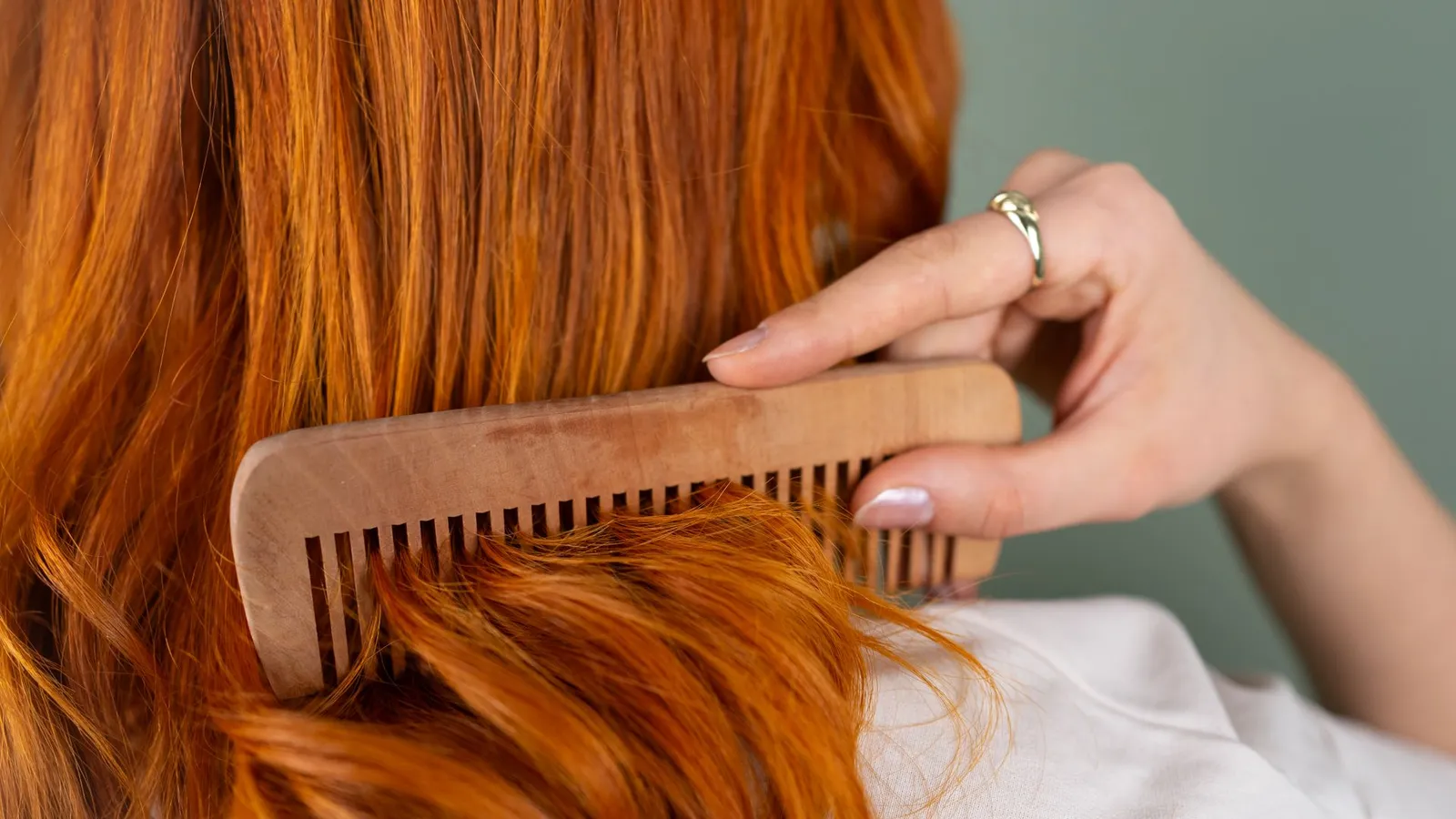
- Gentle brushing. Detangle from the ends upwards with a wide-tooth comb, especially when your hair is wet.
- Less heat. Let your hair air-dry when you can, and save the straightener and curling tongs for special occasions.
- A simple scalp routine. A few minutes of light massage with your fingertips while you wash is enough. Avoid scratching with your nails.
- Regular meals. Hair needs energy and protein. A varied diet and enough to drink matter for your whole body while you are breastfeeding. Questions about vitamins or supplements belong with your doctor or midwife.
- Patience. Judge progress over months, not days. Counting hairs in the brush only adds stress.
Some women choose a shorter cut during this period. It does not change the shedding, but shorter hair is easier to manage and the loss of volume is less noticeable.
Cosmetic care for hair that looks thinner
Let's be clear: no shampoo or lotion can stop postpartum shedding or speed up its natural course. Time does that. Cosmetics can do something smaller but useful – keep your scalp clean and comfortable and care for hair that looks thinner.
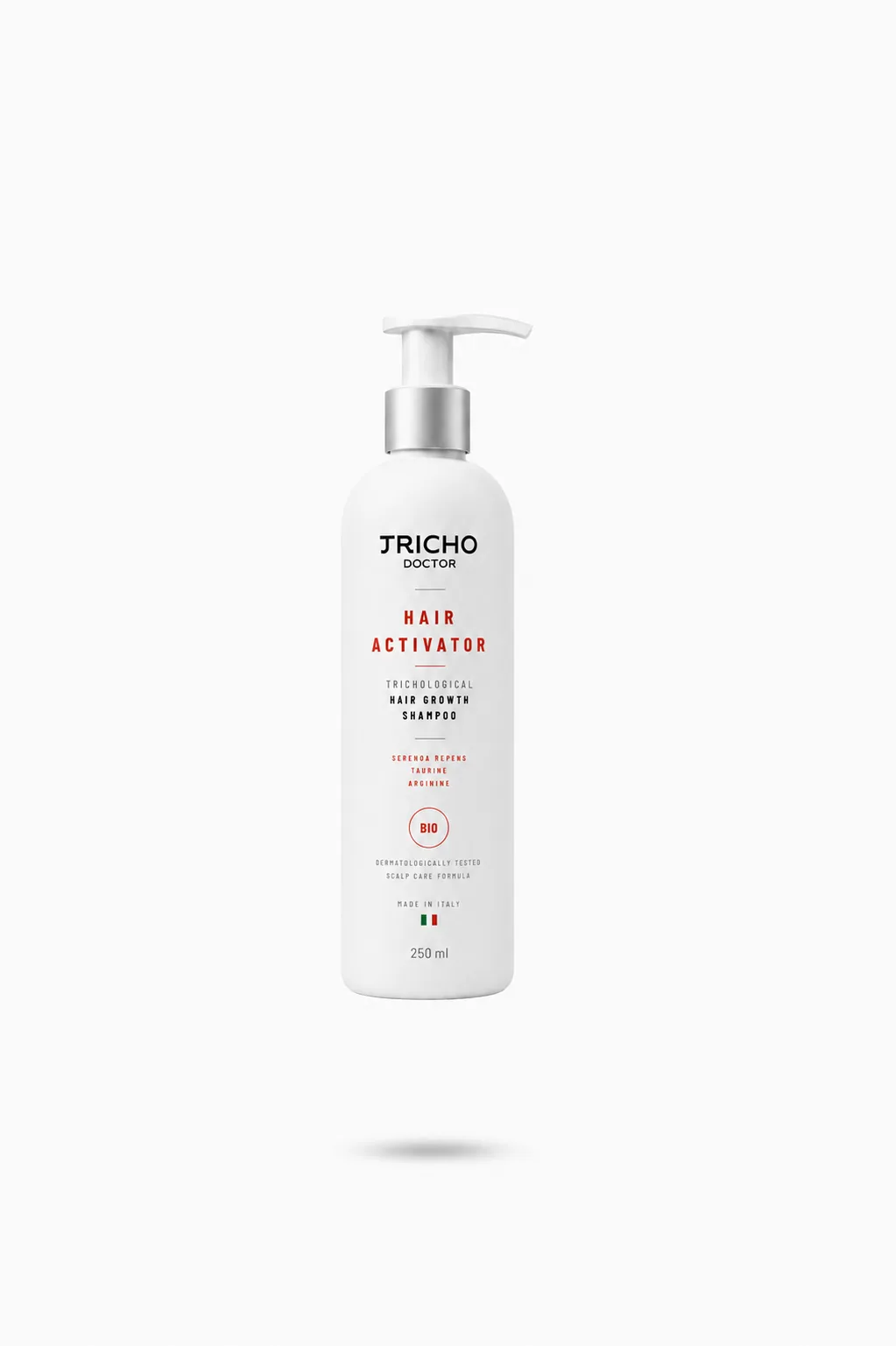
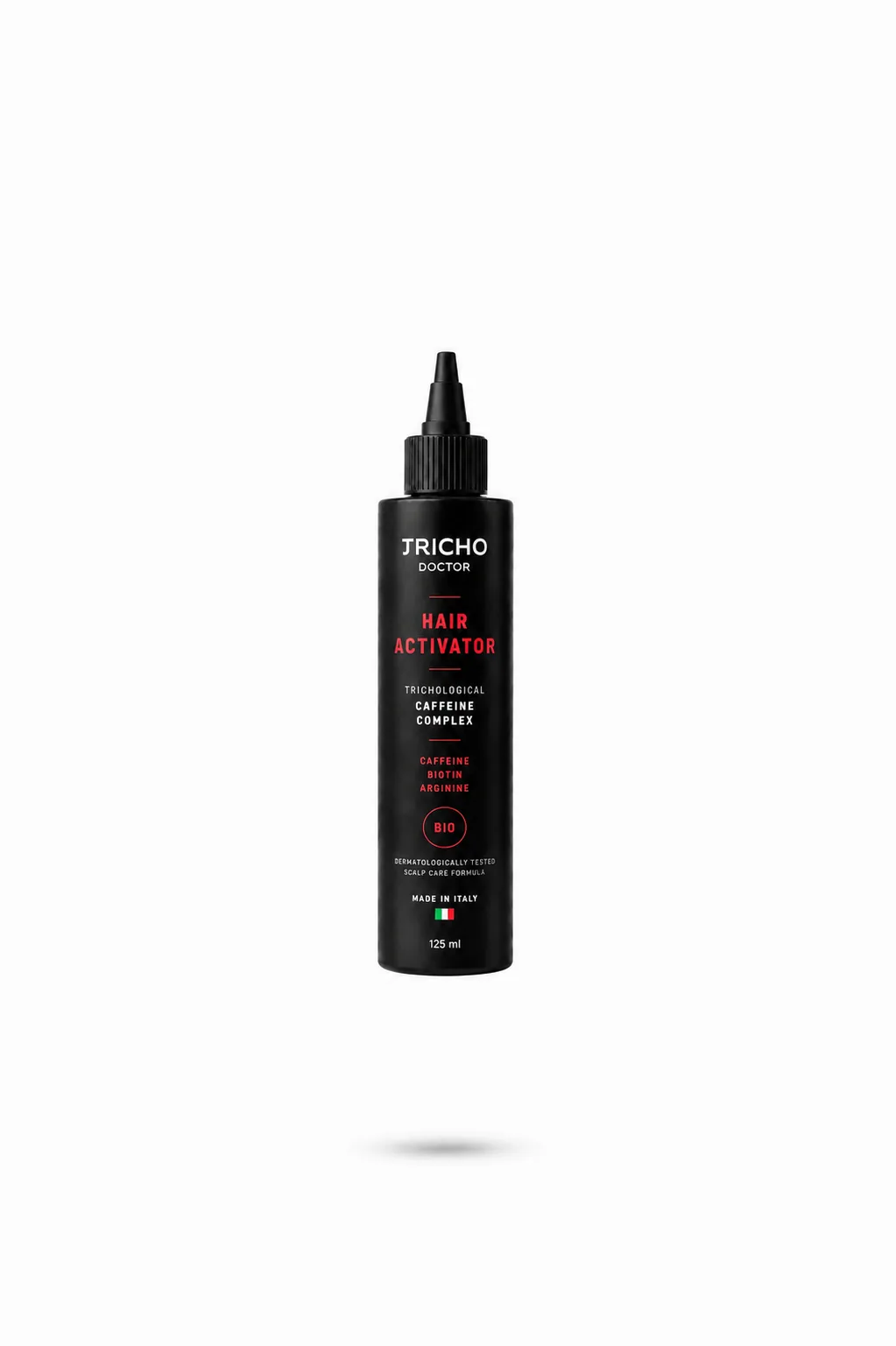
In the TRICHO DOCTOR range, Hair Activator Shampoo cleanses the scalp gently and cares for weakened hair; it contains saw palmetto leaf extract, taurine, arginine and piroctone olamine. Caffeine Complex is a leave-in step with caffeine, biotin, arginine and niacinamide that continues the care on your scalp between washes and helps hair look fuller.
If you are breastfeeding and unsure about any product, check the ingredients with your doctor or pharmacist before you use it. Follow the instructions on the pack.
Not sure which steps make sense for your scalp right now? Take the free scalp test – it takes a few minutes and suggests a care protocol. It is not a diagnosis and does not replace a doctor.
Frequently asked questions
When does postpartum hair loss usually stop?
It usually becomes noticeable around 2–4 months after birth and eases gradually over the following months. Most women find their hair is back to normal within about a year. If it has not settled by then, see a doctor.
Does breastfeeding cause hair loss?
Usually not. The main trigger is the change in hormones after birth, which affects women whether they breastfeed or not. Tiredness and irregular meals can make the shedding more noticeable.
Can a shampoo stop hair shedding after pregnancy?
No. Cosmetic products do not stop shedding or regrow hair. They can keep your scalp in good condition and care for hair that looks thinner while the hair cycle returns to its usual rhythm.
Should I have blood tests?
That is your doctor's call. If the shedding is very heavy, lasts longer than about a year, or you notice signs such as marked tiredness, palpitations or pale skin, see your GP and they will decide what to check.
This article is for information only and does not replace the advice of a doctor or trichologist.